
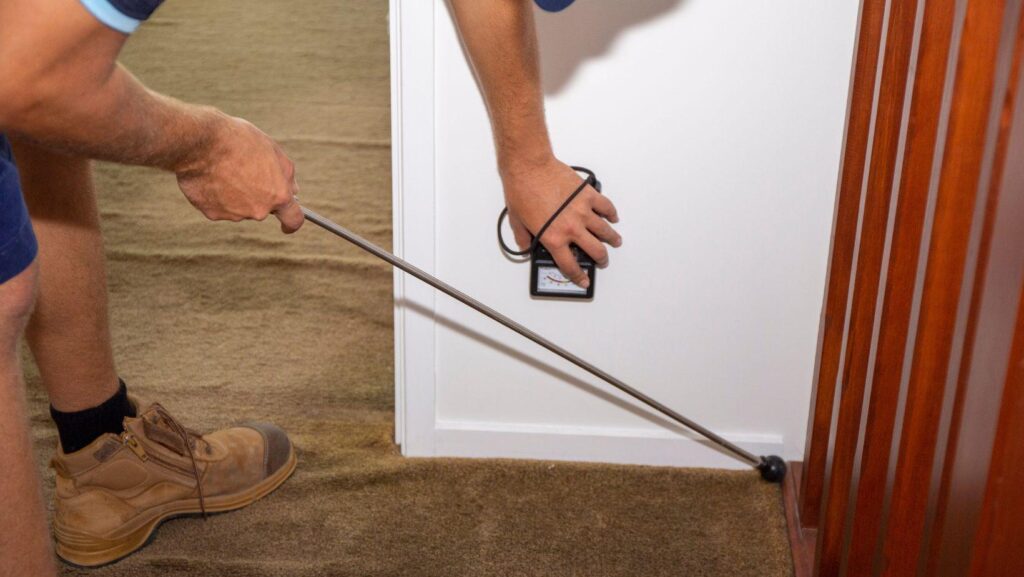
Termite prevention does not always require a professional visit to get started. Many of the conditions that invite termite activity, excess moisture, wood touching soil, damaged exterior trim, are things a homeowner can spot during a regular walk around the property. Catching these issues early, before a colony has a chance to establish itself, is one of the more effective ways to avoid costly structural repair later. This checklist walks through the areas most worth checking and what to do when something looks off.
Why a Regular Walkaround Matters More Than a One-Time Check
Termite conditions change with the seasons. A drainage issue that seems minor in the dry months can become a consistent moisture source once winter rain arrives, and mulch or wood piles that get pushed against the house during yard cleanup can quietly create new contact points that did not exist a few months earlier. A single inspection, done once and never repeated, only captures conditions at that specific moment.
Building a habit of checking the same areas every few months, rather than treating prevention as a one-time task, gives homeowners a much better chance of catching problems while they are still small. This does not require specialized tools or training. It mostly requires knowing what to look for and taking the time to actually look, rather than assuming that no visible damage means no risk.
Checking the Foundation Perimeter and Exterior Walls
Start at the base of the house and work around the entire perimeter, looking closely at where the foundation meets the ground and where exterior walls meet any attached structures. Mud tubes, thin tunnels made of soil and saliva that subterranean termites build to travel between the ground and wood, are one of the clearest signs of active termite activity and are usually found along foundation walls, especially in corners or behind landscaping that blocks a casual glance.
Beyond mud tubes, look for cracks in the foundation itself, since even small gaps can give termites a direct route into the structure. Check exterior wood trim, siding, and any wood elements close to ground level for softness, discoloration, or a hollow sound when tapped lightly. Damaged trim that looks purely cosmetic on the surface sometimes indicates activity that has already reached the wood behind it, which is worth confirming rather than assuming.
Inspecting Garages, Crawl Spaces, and Storage Areas
Garages and crawl spaces tend to get less attention than living spaces, which makes them a common place for termite activity to progress unnoticed. In the garage, check any wood framing, shelving built against exterior walls, and areas where the garage floor meets the foundation for the same signs described above: mud tubes, soft wood, and small cracks. Stored cardboard boxes sitting directly on a concrete floor for long periods can also trap moisture against the slab, so it is worth checking underneath boxes that have not moved in a while.
Crawl spaces require a flashlight and a bit more effort, but they offer a direct view of the underside of the structure. Homeowners who are unsure what they are looking at during this part of the check often find it worthwhile to have a service such as Irvine Pest Control walk through the space with them once, since a trained eye can tell the difference between old, inactive damage and something that needs immediate attention. A quick checklist to work through in these areas includes:
Finding any of these signs does not necessarily mean an infestation is severe, but it does mean the area deserves closer attention rather than being dismissed.
Evaluating Decks, Fences, and Wood Piles Around the Yard
Outdoor wood structures sit in some of the most termite-favorable conditions on a property, since they combine wood, soil contact, and outdoor moisture in one place. Check deck posts where they meet the ground, looking for the same softness and discoloration signs used elsewhere, and pay particular attention to any deck boards or fence posts that were installed without a concrete footing separating the wood from direct soil contact.
Firewood and lumber piles deserve specific attention because they are essentially a termite food source stored voluntarily close to the house. Wood piles stacked directly against an exterior wall, or even a few feet away but still within reach of foraging termites, create an easy bridge between an active colony and the structure itself. Moving wood piles further from the house, and elevating them off the ground on a rack rather than stacking directly on soil, removes much of this risk with very little effort.
Simple Prevention Steps That Reduce Termite Risk
Once the inspection turns up a list of concerns, addressing the underlying conditions matters more than treating any single visible symptom. Improving drainage around the foundation, by cleaning gutters, extending downspouts away from the house, and regrading soil that slopes toward the structure, removes one of the most consistent factors that draws termites toward a foundation in the first place. Fixing plumbing leaks, whether inside walls or under sinks, addresses moisture sources that are easy to overlook because they are not visible from outside the house.
Wood-to-soil contact is worth eliminating wherever it exists, whether that means replacing an untreated fence post with one set on a concrete footing or trimming back mulch beds so they do not pile up against siding or trim. Consequently, a homeowner who addresses drainage, leaks, and soil contact together removes most of the conditions that would otherwise let a colony establish itself even after an initial inspection comes back clear.
When to Call a Professional Instead of Continuing DIY Checks
A DIY inspection is useful for spotting warning signs, but it has limits. Homeowners are not typically equipped to confirm whether a colony is active behind a wall, assess the full extent of damage once it is found, or apply treatment that reliably eliminates an established colony rather than just the section that happens to be visible. If a walkaround turns up mud tubes, soft or damaged wood, or discarded wings near the foundation, that is the point where a professional inspection becomes the more reliable next step.
Waiting to see if the problem goes away on its own, or attempting to treat a suspected infestation without professional tools and products, usually costs more time and money than addressing it directly once real warning signs appear.
Building Prevention Into a Regular Routine
Catching termite conditions early comes down to knowing which areas of a property are worth checking and making that check a habit rather than an occasional afterthought. Foundations, garages, crawl spaces, decks, fences, and wood piles each carry their own risk factors, but moisture and wood-to-soil contact show up as recurring themes across nearly all of them. Homeowners who address these conditions consistently, and who know when a DIY check has reached the point where professional judgment is needed, put themselves in a strong position to avoid the kind of hidden termite damage that only becomes obvious once it has already become expensive to fix.