
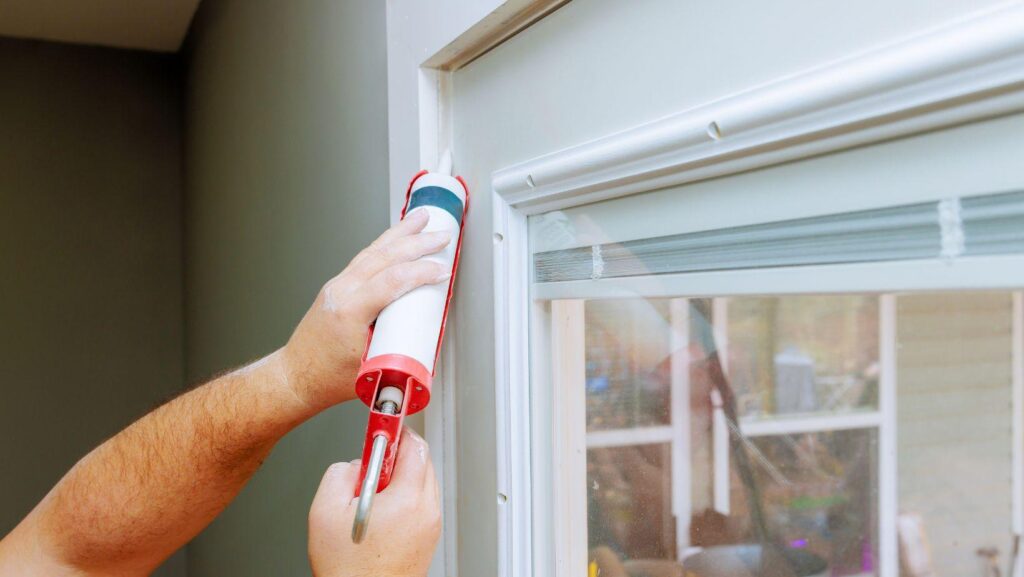
Most pest entry points into a home are small enough to overlook during a casual walk around the yard. A gap under a garage door, a torn screen, a pipe penetration patched loosely years ago. None of these look like an invitation, yet together they explain why ants, spiders, cockroaches, and even mice keep finding their way indoors despite regular cleaning and reasonable housekeeping. Stockton’s climate, with its hot dry summers and cooler wet winters, puts real stress on exterior seals over time, and that seasonal expansion and contraction is often what turns a tight seal into a usable gap. The good news is that most of these repairs are well within reach of a homeowner with basic tools and a free afternoon.
Why Small Gaps Matter More Than Homeowners Expect
The scale of these openings is easy to underestimate. A mouse can squeeze through an opening roughly the width of a pencil, and many common ant species can exploit gaps far smaller than that. Cockroaches flatten their bodies to slip through cracks that look barely visible from a few feet away. None of these pests need a hole, only a seam that has separated slightly from age or weather.
This is also why sealing work tends to produce results that feel disproportionate to the effort involved. A single afternoon spent closing four or five small gaps can meaningfully reduce the number of entry points available to foraging insects and exploring rodents, simply because most pest activity depends on finding the path of least resistance. Once that path disappears, many pests move on rather than search for a harder way in.
Replacing Worn Weatherstripping Around Doors
Weatherstripping degrades steadily under sun exposure, and by the time it visibly cracks or peels, it has usually been letting in light, air, and insects for months. Running a flashlight along the base and sides of an exterior door at night, with the light held outside and someone checking for visible beams inside, is a simple way to confirm where gaps have formed.
Replacement strips are sold by the foot at most hardware stores and are labeled by door type, so measuring the existing strip length before buying saves a return trip. Adhesive-backed foam works for light gaps, while door sweeps with a rigid backing handle wider gaps at the threshold better. Garage-door edges deserve the same attention as entry doors, since the rubber seal along the bottom wears from repeated contact with the driveway and often develops the same kind of daylight gap that lets ants and spiders wander in along the slab.
Repairing or Replacing Damaged Window Screens
Screens rarely fail all at once. A small tear from a pet, a pushed-in corner from routine use, or brittle mesh that has simply aged past its useful life all create openings that flying insects exploit immediately. Spiders in particular use damaged screen corners as entry points, since the gap is sheltered and rarely disturbed.
Re-screening a frame is a manageable weekend project for most window sizes, requiring a spline roller, replacement mesh, and a utility knife, all inexpensive and widely available. For smaller tears, a patch kit or even a bead of clear silicone can hold until a full re-screen is practical. Checking that each screen still sits flush in its track matters as much as the mesh condition itself, since a screen that has warped or shifted leaves a gap along the frame regardless of how intact the mesh is.
Sealing Gaps Around Pipes, Vents, and Utility Penetrations
Every point where a pipe, cable, or vent passes through an exterior wall is a potential entry point, and many homes have several of these penetrations that were never properly sealed during original construction or later utility work. Common locations include the gap around a dryer vent, the space where a hose bib passes through the wall, and the collar around an AC line set.
Expanding foam works for larger gaps, though it should be trimmed once cured since exposed foam degrades in sunlight and can eventually crumble. For tighter gaps, silicone caulk rated for exterior use holds up better against temperature swings than standard interior caulk. Steel wool packed into a gap before sealing adds a layer rodents cannot chew through, which matters most around larger penetrations where foam alone might not stop a determined mouse. Attention to these details is part of what companies like Official Pest Prevention typically recommend as a baseline home maintenance habit, since sealing is one of the few pest control measures a homeowner can fully manage without specialized equipment.
Patching Foundation Cracks and Small Structural Gaps
Hairline cracks in a foundation or stucco exterior look cosmetic, but they widen gradually with seasonal ground movement, and Stockton’s clay-heavy soil expands and contracts more than sandier soils elsewhere in the state. A crack that started as a cosmetic issue can, over several years, become wide enough for insects to use as a direct route into a wall cavity.
Concrete patching compound handles foundation cracks effectively for gaps under a quarter inch, while wider cracks generally call for a mesh-reinforced patch to prevent recurring separation. Around Stockton, checking these cracks each spring after the wet season, when ground movement is most active, catches new gaps before they become established pest routes. This is one of several areas where Official Pest Prevention often points homeowners toward seasonal inspection habits rather than one-time fixes, since foundation movement is ongoing rather than a single event.
Securing Vents and Checking Garage-Door Edges
Foundation vents, roof vents, and gable vents are frequently covered with wire mesh that corrodes or gets knocked loose over time, leaving an opening exactly where a home was designed to breathe rather than to admit pests. Replacing damaged vent screens with corrosion-resistant hardware cloth, rather than standard window screen material, holds up longer against both weather and rodent gnawing.
Garage doors deserve a second look beyond the bottom seal already mentioned. The vertical edges where the door meets the track often develop gaps as the door ages, and corner seals at the base are commonly overlooked entirely. A few practical checks worth running seasonally include the following:
What Sealing Can and Cannot Fix
Exterior sealing is fundamentally a prevention strategy, and it is important to set expectations accordingly. Closing these gaps reduces the number of new pests entering a home, but it does nothing to address a population already established inside a wall void, attic, or crawlspace. A colony of ants nesting in a wall cavity, or a rodent already denning in insulation, will not leave simply because the exterior entry points have been closed. In some cases, sealing an active entry point can even push pests to search out a new route through the same wall, which is why persistent activity after sealing work is worth taking seriously rather than dismissing.
Homeowners who complete these projects and still see recurring activity, particularly signs of nesting, consistent trails, or damage inside the home, are generally dealing with an established population rather than a simple entry problem. At that point, professional treatment from a provider such as Official Pest Prevention becomes the more appropriate next step, since identifying and addressing an interior colony requires inspection tools and treatment methods beyond what exterior sealing alone can offer.
Final Analysis
Sealing work rewards consistency more than intensity. A homeowner who checks weatherstripping, screens, vents, and foundation seams once or twice a year will generally see far less pest pressure than one who addresses these issues only after noticing an active problem. Each repair covered here, from a new door sweep to a properly screened vent, closes off one more route that ants, spiders, cockroaches, and rodents rely on to move from outside to in. None of it guarantees a pest-free home on its own, but together these projects meaningfully shift the odds in a homeowner’s favor, and they do so using tools and materials well within reach of anyone willing to spend a Saturday working around the exterior of the house.