
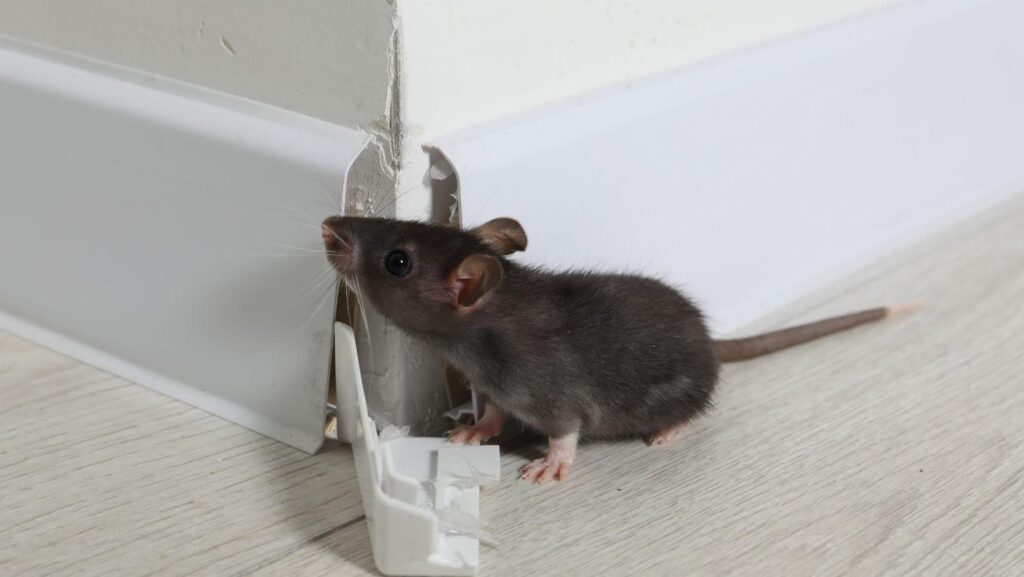
Every home has weak points where pests slip through unnoticed. Garages, crawl spaces, attics, and utility rooms tend to collect clutter, moisture, and small gaps that insects and rodents exploit long before homeowners notice anything wrong. The good news is that most of these vulnerabilities can be addressed with basic tools, a free weekend, and a bit of attention to detail. Tackling these projects early often prevents the kind of established infestation that requires more serious intervention later.
Sealing Utility Openings Where Pipes and Wires Enter the Home
Utility penetrations are among the most overlooked entry points in any house. Wherever pipes, cables, or vents pass through an exterior wall or foundation, there’s usually a small gap left behind by the original installation. Rodents can squeeze through openings barely larger than a coin, while ants and spiders need even less space.
Walk the perimeter of your home and inspect every spot where a utility line enters. Use steel wool combined with caulk or expanding foam to seal these gaps permanently. Steel wool matters here because rodents can chew through foam alone, but they generally won’t gnaw through metal fibers. This is a project that takes an afternoon but pays off for years.
Repairing Screens and Weatherstripping to Cut Off Easy Access
Torn window screens and worn weatherstripping are silent invitations for pests. A single tear in a screen door is enough for cockroaches, flies, and spiders to wander inside, especially during warmer months when insect activity increases. Replacing screen mesh is inexpensive and straightforward, requiring only a spline roller and a roll of replacement material sized to fit your frames.
Weatherstripping deserves equal attention. Over time, rubber and foam strips around doors and windows compress, crack, or peel away entirely, leaving gaps at the threshold. Running a hand along the base of exterior doors at night, when a flashlight can reveal light leaking through, is a simple way to spot problem areas. Replacing damaged weatherstripping not only blocks pest entry but also improves energy efficiency, giving the project a practical return beyond pest control. This is exactly the kind of preventive step that the pest control experts at LaJaunie’s Pest Control often recommend before recurring ant or spider problems ever have a chance to develop.
Organizing Garages, Attics, and Utility Rooms to Remove Hiding Spots
Clutter is one of the most underestimated pest attractants in a home. Cardboard boxes stacked in garages or attics create ideal harborage for cockroaches and rodents, since the material holds warmth, absorbs moisture, and offers dark, undisturbed spaces. Utility rooms often suffer the same fate, with stored items pushed against walls where leaks or condensation go unnoticed.
A practical approach involves switching to sealed plastic storage bins instead of cardboard, elevating stored items off the floor, and leaving a gap between boxes and exterior walls for airflow and inspection. Periodically clearing out unused items also reduces the number of undisturbed corners where pests can nest for weeks without detection. Homeowners who take this seriously often find that even minor ant trails disappear once clutter is reduced, though for recurring activity, consulting the pest control experts remains the more reliable long-term solution.
Improving Drainage Around the Foundation
Standing water near a foundation does more than threaten structural integrity. It also creates the moist conditions that many pests depend on for survival. Termites, ants, and certain cockroach species are drawn to damp soil and decaying wood, both of which tend to accumulate where drainage is poor.
Extending downspouts several feet away from the foundation, regrading soil so it slopes away from the house, and clearing gutters of debris are all effective ways to reduce moisture buildup. Homes situated in low-lying areas may benefit from a French drain or additional grading work, though even basic downspout extensions make a measurable difference. According to general pest management guidance from university extension programs, moisture control is consistently ranked among the most effective non-chemical strategies for reducing pest pressure around structures.
Clearing Debris and Vegetation Near Exterior Walls
Firewood stacks, leaf piles, and overgrown shrubs pressed against exterior walls create a bridge between the outdoors and the home itself. Ants and spiders travel along these pathways with ease, and firewood in particular is a well-known harborage site for termites and other wood-boring insects.
Keeping firewood stacked at least twenty feet from the house and elevated off the ground reduces this risk significantly. Trimming back vegetation so branches and shrubs don’t touch siding also removes a natural highway that pests use to reach rooflines and attic vents. A simple seasonal cleanup routine, checking the perimeter every few months for debris accumulation, goes a long way toward keeping this risk in check.
Patio and Deck Maintenance for Reduced Pest Activity
Patios and decks are frequently overlooked, yet they sit close to the home’s exterior walls and often collect moisture beneath their surfaces. Wooden decking that traps water underneath becomes an attractive site for ants and, in some regions, termites. Checking for loose boards, gaps between decking material, and signs of rot should be part of a regular maintenance routine.
Sealing gaps between a patio slab and the house foundation, along with ensuring proper drainage beneath raised decks, helps eliminate another moisture source that pests rely on. For homeowners tackling several projects at once, it can help to work through them in order of priority:
- Seal utility openings and foundation gaps first, since these are direct entry points.
- Repair screens and weatherstripping next, addressing doors and windows most exposed to weather.
- Organize storage areas to remove clutter-based harborage.
- Improve drainage and grading around the foundation.
- Clear debris and vegetation from exterior walls last, as ongoing maintenance rather than a one-time fix.
Key Takeaways
Preventive maintenance around high-risk areas of the home rarely requires major renovation. Small, consistent efforts, sealing gaps, repairing screens, organizing storage, and managing moisture, address the root conditions that attract rodents, ants, cockroaches, and spiders in the first place. These projects are well within reach for most homeowners and tend to be far less disruptive than dealing with an infestation after it has taken hold. When pest activity persists despite these efforts, it usually signals a more established problem that DIY measures alone can’t resolve, and that’s the point where professional evaluation becomes worthwhile rather than optional.