
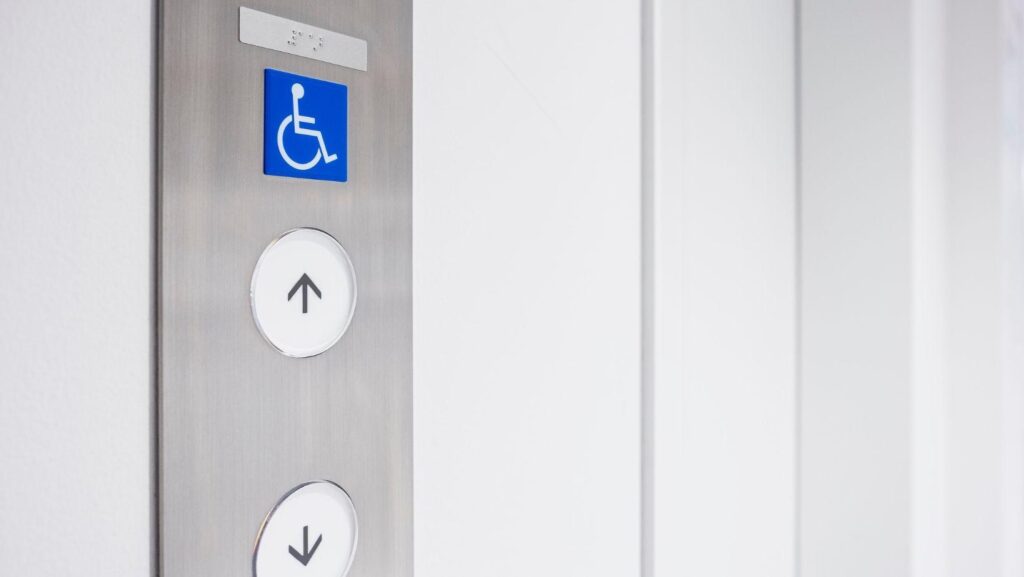
If you're the kind of homeowner who reads DIYWorld4Life for weekend project inspiration, you already know the satisfaction of tackling something with your own two hands. But not every home upgrade fits neatly into a Saturday afternoon toolbox project, and home lifts are a good example of where the DIY spirit needs to meet some hard practical limits. Whether you're planning ahead for aging parents, a multi-generational household, or your own long-term comfort in a two-story house, the question of who installs your home lift matters just as much as which unit you choose.
This is especially true in Los Angeles, where older housing stock, hillside lots, and multi-level floor plans make vertical mobility a real daily concern for a growing number of households. The accessibility conversation isn't abstract anymore. Aging-in-place planning has become a mainstream renovation category, right alongside kitchen remodels and bathroom updates, and homeowners are increasingly weighing whether to handle parts of the project themselves or bring in a licensed team from the start.
Why Home Lifts Matter for Los Angeles Accessibility
The demand for home lifts isn't a niche trend, it's a demographic reality. According to Seelevator, by 2030 about one in five people in the U.S. will be 65 or older, and more than one in four adults report some form of disability, with 12.2 percent experiencing serious difficulty walking or climbing stairs. That's not a far-off statistic for many Los Angeles families already juggling parents, in-laws, or their own changing mobility needs under one roof.
Multi-generational living has become common enough that builders and remodelers now treat accessibility features as standard planning items rather than afterthoughts. A home lift lets someone move between floors without depending on a caregiver or risking a fall on stairs, which is often the deciding factor in whether a family can stay in a beloved home instead of relocating. For homeowners exploring this path locally, working with a company like California Mobility in Los Angeles means getting guidance specific to the region's permitting rules, seismic considerations, and housing styles, which differ quite a bit from a generic national installation guide.
DIY Installation: Partial Approaches, Cost Savings, and Real Limitations
There's no denying the appeal of doing it yourself. Kits for certain lift types are marketed with promises of weekend installation and thousands of dollars in savings, and for a homeowner who has already tackled electrical work or framing projects, the idea of handling a lift installation can feel like a natural next step. Some manufacturers do offer modular platform lifts or stair lift kits designed for handy homeowners, and simpler models with minimal structural modification can genuinely be within reach for an experienced DIYer.
The limitations show up quickly once you get past the marketing. Home elevators and enclosed lifts typically require structural modifications, dedicated electrical circuits, and shaft or hoistway construction that go well beyond a typical home project. Building codes in Los Angeles require permits and inspections for these installations, and getting them wrong can mean costly rework or, worse, a lift that fails when someone actually needs to use it. If you've ever tackled something like a full bathroom overhaul, you already understand how quickly a seemingly straightforward project can reveal plumbing, wiring, or structural surprises, as covered in our own guide to remodel a bathroom projects. A home lift carries that same risk, multiplied by the fact that it's a mechanical safety device carrying human passengers.
Professional Installation: Safety, Code Compliance, Warranty, and Peace of Mind
Professional installers bring three things a DIY approach struggles to match: code compliance, liability protection, and long-term reliability. Licensed installers pull the correct permits, coordinate inspections, and design the lift shaft or platform to match your home's specific structural conditions, which matters enormously in a city with varied soil types and older housing stock. They also carry manufacturer warranties that typically become void if installation isn't performed by certified technicians, meaning a DIY install could leave you without coverage the moment something goes wrong.
Beyond the paperwork, professional teams understand the mechanical tolerances that keep a lift safe over years of daily use, not just on installation day. Misaligned rails, improperly wired safety sensors, or insufficient load testing are the kinds of issues that don't show up immediately but create real risk down the line, especially for elderly users who depend on the lift working correctly every single time. That reliability is worth factoring into any cost comparison, since a failed DIY installation often ends up costing more once a licensed contractor has to correct it.
Choosing Your Path: Decision Framework and When to Call in Help
The right choice depends on the type of lift, the complexity of your home's layout, and how much risk you're willing to accept. A simple stair lift for a straight staircase might be a reasonable DIY candidate for an experienced homeowner. A residential elevator or platform lift involving structural changes almost always calls for licensed professionals, both for safety and to satisfy local permitting requirements.
|
Statistic |
Figure |
|
U.S. adults 65+ by 2030 |
1 in 5 people |
|
Adults with serious difficulty walking or climbing stairs |
12.2% of U.S. adults |
|
U.S. households with accessibility needs |
19% |
|
Seniors aged 70+ with mobility limitations |
35% |
|
Adults 50+ who prefer to age in place |
77-90% |
|
Home lift warranty voided by non-certified DIY install |
Common industry practice |
Weighing these numbers against your own household's needs is a useful exercise before committing to either path. If mobility limitations are already present or likely within the next several years, the margin for error shrinks considerably, and that's usually the moment to bring in a licensed installer rather than experiment. For Los Angeles homeowners navigating hillside properties, older construction, or strict local codes, a professional consultation early in the process tends to save both money and stress compared to correcting a DIY project after the fact.