Custom apparel is about more than putting a logo on a shirt. The right decoration can help a business present its brand, give a sports team a unified look, or turn an ordinary garment into a personalized gift. Embroidery and heat transfer techniques offer different ways to achieve these results.
An Embroidery Machine creates detailed patterns with thread, while a T Shirt Heat Press applies compatible transfers to fabric. Understanding how these tools work can help you plan projects, choose suitable materials, and create a wider range of customized clothing.
Table of Contents
- How an Embroidery Machine and T Shirt Heat Press Differ
- Create Distinctive Designs With an Embroidery Machine
- Expand Your Options With Heat Transfer Vinyl
- Apply Clean Graphics Using a T Shirt Heat Press
- Choose the Right Decoration Method for Each Garment
- Improve Quality With Better Embroidery and Heat Press Practices
- Select an Embroidery Machine and T Shirt Heat Press for Your Needs
- Final Thought
1. How an Embroidery Machine and T Shirt Heat Press Differ
Embroidery and heat transfers offer different ways to personalize clothing. An embroidery machine uses thread to form a design directly on suitable fabric, producing a textured finish. A T Shirt Heat Press attaches compatible transfers to garments, making it useful for colorful graphics and lettering.
The best choice depends on the artwork, garment, and intended use. A small company logo may look attractive when embroidered, while a large event graphic may be more practical to create with heat transfer vinyl.
Understanding these differences before starting helps you choose a suitable method and avoid unnecessary work.
2. Create Distinctive Designs With an Embroidery Machine
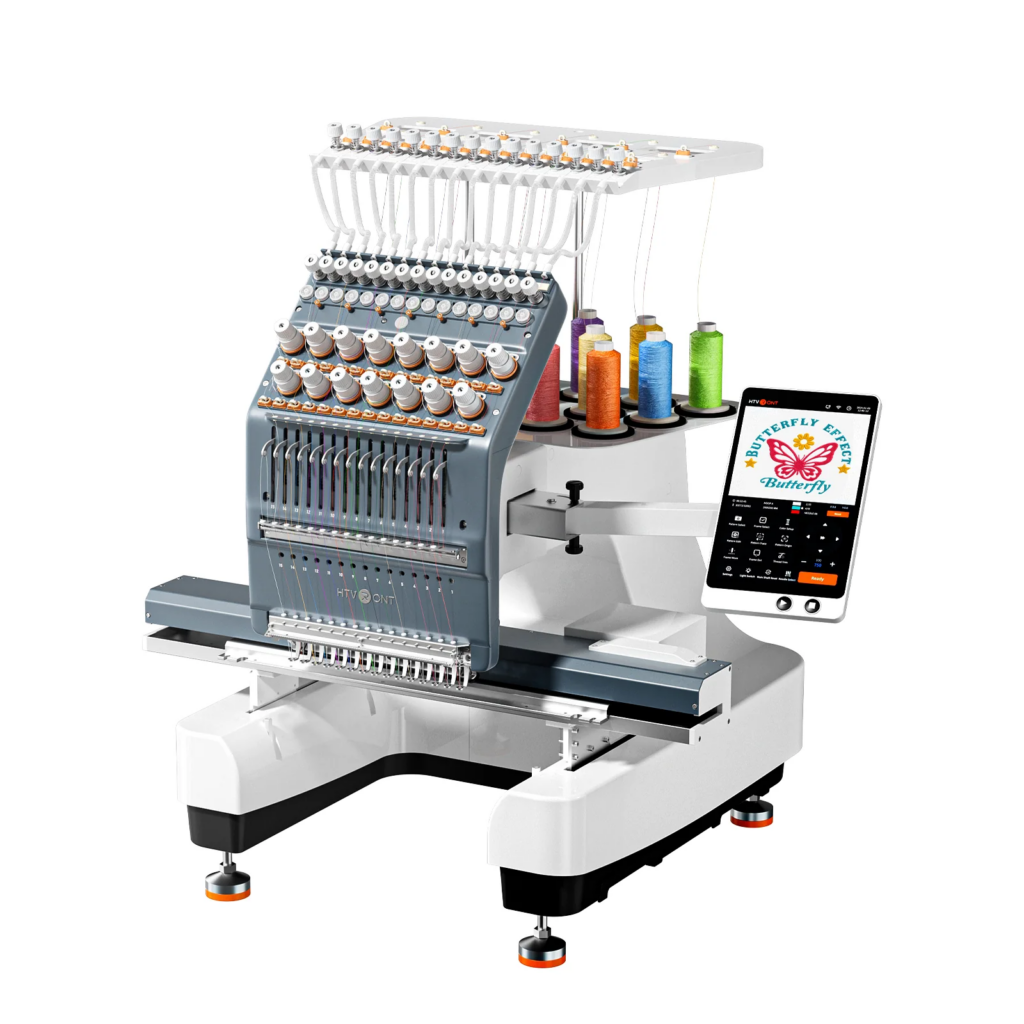
An embroidery machine is useful for creating names, monograms, logos, and decorative details with thread. These designs can give uniforms, team apparel, and personalized garments a recognizable appearance.
Successful embroidery begins with suitable artwork and careful preparation. Designs with clear shapes and readable lettering are often easier to reproduce than those containing many tiny details. The fabric must also be secured correctly, and an appropriate stabilizer should be selected.
Before producing a full batch, test the design on a similar garment. This allows you to check the stitching, make adjustments, and reduce the risk of wasting materials.
3. Expand Your Options With Heat Transfer Vinyl
Heat transfer vinyl offers flexibility for creating personalized graphics without stitching every element. It works well for names, numbers, slogans, and decorative designs that require clean shapes or colorful finishes.
The process generally involves preparing artwork, cutting the vinyl with a compatible machine, and removing excess material. The remaining design is then ready for application.
For better results, choose artwork that suits the vinyl and the intended shirt. Very small details may be difficult to cut and weed, so simplifying complicated graphics can make production easier. Always check material compatibility and follow the manufacturer’s instructions.
4. Apply Clean Graphics Using a T Shirt Heat Press
A T Shirt Heat Press uses controlled heat and pressure to attach compatible heat transfer materials to clothing. It helps make the application process more consistent, especially when preparing multiple garments with the same design.
Begin by positioning the graphic carefully and preparing the shirt according to the product instructions. Use the recommended temperature, pressure, pressing time, and peeling method for the specific transfer material.
Different products can require different settings, so avoid relying on a single setup for every project. Testing unfamiliar materials first can help identify problems before you work on finished garments or customer orders.
5. Choose the Right Decoration Method for Each Garment
Not every design needs the same treatment. Embroidered logos can suit selected uniforms and workwear, while heat transfer vinyl may be better for event shirts, personalized gifts, and large graphic designs.
Consider the garment’s fabric, the design’s size, and how the finished item will be used. Some materials need special handling during embroidery, while others may not tolerate the heat required for certain transfers.
You can also combine both techniques when the design calls for it. For example, a shirt might feature a small embroidered logo on the chest and a larger heat-transfer graphic on the back. Planning the placement helps maintain a balanced appearance.
6. Improve Quality With Better Embroidery and Heat Press Practices
Good equipment helps, but careful preparation and inspection are equally important. During embroidery, incorrect hooping or unsuitable stabilization can affect stitching quality. With heat transfers, poor cutting, incomplete weeding, or incorrect application settings may compromise the finished design.
Create a simple quality-check routine. Inspect the artwork before production, test unfamiliar materials, and verify placement before stitching or pressing. After completing the work, examine the garment for visible defects and confirm that the design has been applied according to the product instructions.
If you regularly produce the same design, record successful materials and settings. These notes can make repeat orders easier to manage and help maintain consistent results.
7. Select an Embroidery Machine and T Shirt Heat Press for Your Needs
Your equipment choices should reflect the products you intend to make. If your main projects involve embroidered logos and names, an embroidery machine may be a useful investment. If you plan to produce colorful lettering and graphics, a compatible cutting machine and T Shirt Heat Press may be more relevant.
HTVRONT is worth exploring when researching apparel customization equipment. You can browse its embroidery machine collection to compare available options with your project requirements.
Consider your budget, workspace, expected workload, and the materials you plan to use before purchasing. Starting with the equipment you need most can help you build a practical setup and expand it as your projects develop.
8. Final Thought
Stitched designs and heat transfers each bring something different to custom apparel. An embroidery machine adds texture and detail, while a T Shirt Heat Press helps apply compatible transfers for graphics, lettering, and personalized designs.
The key is to select the method that suits the garment rather than forcing every idea through the same process. With suitable materials, careful preparation, and consistent quality checks, you can create customized clothing that looks polished and meets the needs of different projects.