
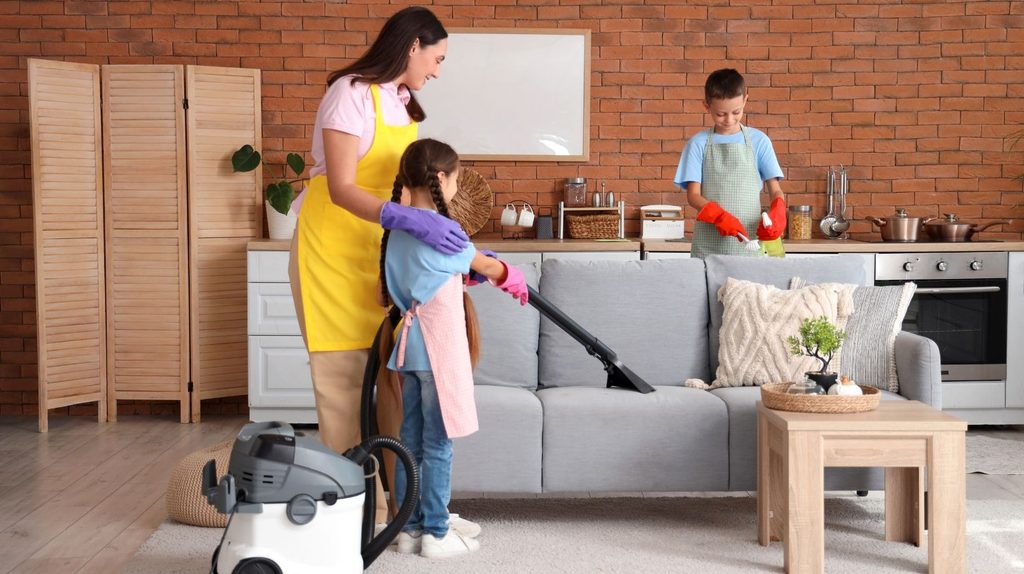
Why Cleaning Strategy Matters
A clean home isn’t just about appearances—it can genuinely cut down on the settled dust, pollen, pet dander, mold spores, and other particles that build up indoors over time. But how you clean matters just as much as how often. Dry dusting, for example, often lifts particles into the air rather than removing them, and vacuuming in the wrong order or at the wrong time can simply push dust around instead of getting rid of it. A cordless vacuum can certainly earn its keep when it comes to floors, upholstery, stairs, and other hard-to-reach spots, but no single tool substitutes for a well-thought-out cleaning strategy. This article is about building a consistent, targeted approach tailored to your home’s surfaces, your household’s needs, and any exposure concerns you might have. One thing worth saying upfront: regular cleaning can reduce many indoor contaminants, but it won’t eliminate every source of dust, nor can it guarantee relief from allergy or asthma symptoms.
Understand Where Household Dust Comes From
Indoor dust is almost never one single thing. It’s usually a mix of skin particles, pollen, pet dander, mold spores, dust mites and their waste, plus soil and pollutants tracked in from outside. And it tends to gather in the same predictable spots—carpets and rugs, upholstered furniture, bedding and mattresses, baseboards and moldings, and horizontal surfaces like shelves and blinds.
A number of everyday factors influence how quickly dust piles up: shoes worn indoors, open windows, pets, excess moisture, and general clutter all play a role. It’s also worth drawing a distinction between visible dust, which settles on surfaces where you can see it, and airborne particles that may go unnoticed yet still affect the air you breathe.
Key takeaway: Reducing dust at its source and sticking to a consistent routine is generally more effective than occasional, intensive cleaning sessions.
Use the Right Method for Each Surface
Hard surfaces
When it comes to settled dust on hard surfaces, damp microfiber cloths or damp mops tend to outperform dry dusting, since moisture helps trap particles rather than send them airborne. High-touch surfaces—doorknobs, light switches, and the like—often deserve separate attention from areas that mainly collect settled dust, such as shelves or window sills. Whatever products you use, follow the label instructions closely, and never mix cleaning products unless the label specifically says it’s safe to do so.
Soft surfaces
Carpets, rugs, mattresses, curtains, and upholstery hold onto dust and allergens far more stubbornly than hard surfaces do. Since materials vary, it’s worth checking care labels before diving in to avoid accidental damage. It also helps to understand that ordinary cleaning removes surface debris but doesn’t necessarily reach embedded particles like dust mites—persistent allergen concerns may call for deeper intervention or more specialized methods.
Create a Practical Cleaning Sequence
A simple, repeatable sequence can cut down on rework and keep particles from spreading around:
- Declutter first
- Clean higher surfaces before lower ones
- Use damp methods on hard surfaces
- Clean floors and soft furnishings afterward
- Ventilate where appropriate
Working from top to bottom keeps dust from settling onto spots you’ve already cleaned. Breaking your home into manageable zones—rather than attempting the whole place in one marathon, inconsistent session—also makes the routine easier to stick with.
Suggested routine by frequency:
- Daily or as needed: spills, visible dirt, kitchen debris, high-traffic entry areas
- Weekly: floors, rugs, frequently used upholstery, bedding, dust-collecting surfaces
- Periodically: curtains, vents, blinds, moisture-prone areas, neglected corners
These aren’t hard-and-fast rules—households with pets, kids, allergies, or heavy foot traffic may need to clean more often.
Reduce Dust and Allergens in Bedrooms
Bedrooms are prone to dust buildup thanks to bedding, mattresses, and upholstered furniture. Practical steps include washing sheets and pillowcases regularly according to their care instructions, using allergen-impermeable mattress and pillow covers where it makes sense, and keeping humidity in check to discourage dust mites. Cutting back on fabric surfaces that can’t be easily washed helps too.
Vacuuming carpets and upholstery takes care of surface dust, but it won’t fully resolve dust-mite allergens on its own. Organizations like the U.S. Environmental Protection Agency and the National Institute of Environmental Health Sciences offer solid guidance on humidity control and allergen reduction that can round out a general routine.
Clean More Safely When Allergies or Asthma Are a Concern
Cleaning inevitably stirs up some dust and biological material. If allergies or asthma are a concern in your household, improving ventilation, asking sensitive family members to step out temporarily, and giving particles time to settle before anyone returns are all sensible precautions. In unusually dusty or contaminated conditions, protective equipment may be worth considering. Extensive mold growth, sewage contamination, or hazardous materials are situations that call for professional help, not a routine cleanup. And if respiratory symptoms persist, that’s a conversation for a qualified healthcare professional—not something to try to solve through cleaning alone.
Common Cleaning Mistakes to Avoid
- Dry-dusting in ways that scatter particles into the air
- Ignoring entryways, baseboards, upholstery, and bedding
- Cleaning only once dust becomes visible
- Overusing or mixing cleaning chemicals
- Neglecting equipment maintenance, such as filters or brush rolls
Apply the Routine to Different Household Situations
- Homes with pets: prioritize upholstery, entryways, and pet bedding
- Homes with young children: focus on floors and frequently touched surfaces; store cleaning products safely
- Small apartments: use zone-based cleaning and minimize dust-collecting clutter
- Allergy-sensitive households: prioritize bedroom textiles, humidity, and ventilation
- High-traffic homes: give extra attention to entrances and rugs
A routine you can actually keep up with, safely, will almost always beat an ambitious plan that falls apart after a week.
How to Evaluate Cleaning Advice and Products
When you come across a cleaning claim, it’s worth asking a few questions: Is it backed by a government health agency, medical organization, or peer-reviewed evidence? Does it distinguish between reducing contaminants and eliminating them entirely? Are safety instructions included? Be skeptical of anything promising to “purify” your home or prevent illness outright. In the end, performance comes down to technique, maintenance, surface type, and the specific contaminant you’re dealing with—so always check manufacturer instructions before using any product or piece of equipment.
A Sustainable Home-Cleaning Plan
Consistency tends to matter more than the occasional deep clean. Try building a short checklist based on your home’s surfaces, your household’s sensitivities, pets, moisture conditions, and the time you actually have available—then revisit and adjust it as circumstances change. At the end of the day, a cleaner home comes down to the right methods, a realistic schedule, and attention to where dust originates—not any single device or product working alone.