
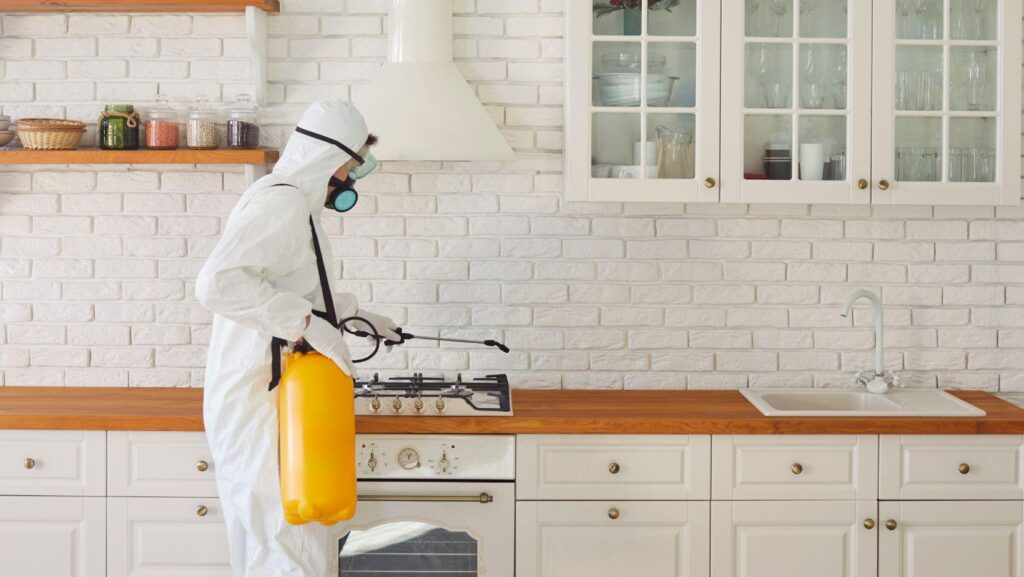
Pest prevention rarely starts with a pesticide. More often, it starts with a caulk gun, a ladder, and an hour of attention on a Saturday morning. Most homes that develop chronic ant trails, roach sightings, or rodent activity share a common thread: small gaps, excess moisture, or exterior clutter that went unaddressed for months or years. Treating pest prevention as a routine part of home maintenance, rather than a separate emergency task, gives homeowners a practical way to reduce the conditions pests rely on to enter, hide, and survive.
The good news is that most of this work does not require special skills or a full weekend. Many of the most effective projects take an hour or two and use tools already sitting in a garage. Below is a breakdown of the maintenance tasks that make the biggest difference, organized by the type of pest pressure they address.
Sealing Entry Points Around Doors, Windows, and Utility Lines
Insects and rodents are opportunists. A mouse can squeeze through a gap the width of a pencil, and many common household ants need even less space to establish a trail indoors. Weekend projects that target these small openings often have an outsized effect on pest activity.
Start with weatherstripping around exterior doors. Over time, foam or rubber strips compress, crack, or peel away, leaving a visible gap between the door and frame. Replacing worn weatherstripping is inexpensive and typically takes less than thirty minutes per door. Door sweeps deserve the same attention, since a damaged or missing sweep creates a direct pathway for insects and small rodents at ground level.
Window screens are another common weak point. Even small tears allow flying insects like mosquitoes and flies indoors, particularly during warmer months when doors and windows are opened more often. Patching or replacing damaged screens is a low-cost fix that also improves ventilation without inviting pests inside.
Finally, walk the exterior of the home and check openings where utility lines, pipes, or cables enter the structure. These penetrations are frequently overlooked, yet they are among the most common entry points for pests. Sealing appropriate gaps with caulk or expanding foam, depending on the material and size of the opening, closes off access without requiring structural work. Companies like Nextgen Pest Solutions often note that these utility penetrations account for a disproportionate share of interior pest sightings, simply because they are easy to miss during a casual inspection.
Addressing Moisture, Drainage, and Ventilation Issues
Moisture is one of the strongest attractants for pests, from cockroaches and silverfish to termites and mosquitoes. Reducing excess water around the home is one of the most effective forms of prevention available to a homeowner, and it typically overlaps with general home maintenance that protects the structure itself.
A weekend spent on moisture control might include:
- Repairing minor plumbing leaks under sinks, around water heaters, or at exterior spigots
- Cleaning gutters and downspouts to prevent overflow along the foundation
- Regrading soil or adding extensions to downspouts so water drains away from the home
- Removing standing water from low spots in the yard, plant saucers, or clogged drains
- Improving airflow in damp areas such as crawl spaces, basements, and bathrooms
Research from pest management and structural engineering sources consistently links persistent moisture to elevated pest activity, since damp wood, soil, and organic material provide both hydration and shelter. Addressing these issues early, according to guidance often shared by firms, tends to prevent secondary problems like wood-destroying insects or mold, which are far more costly to resolve than the original moisture source.
Outdoor Maintenance That Reduces Pest-Friendly Habitat
The area immediately surrounding a home plays a significant role in whether pests are drawn toward the structure. Overgrown vegetation touching exterior walls gives insects and rodents a direct bridge to siding, eaves, and windows. Trimming shrubs and tree branches back several inches from the home reduces this contact and also improves airflow, which helps siding and paint last longer.
Firewood, mulch piles, and stored building materials are common habitats for spiders, ants, and rodents, especially when stacked directly against the foundation. Relocating these materials to a spot several feet away from the home, ideally on a raised rack, removes a convenient shelter and reduces the likelihood of pests migrating indoors during temperature changes.
Yard debris, including fallen branches, leaf piles, and grass clippings left in place, creates additional hiding spots. Clearing this debris on a regular basis, alongside making sure garbage containers have secure, well-fitted lids, removes both shelter and food sources that attract a wide range of pests, from cockroaches to raccoons.
Recognizing When DIY Maintenance Has Reached Its Limit
These projects are effective at reducing risk factors, but they are not a substitute for pest control when an infestation is already established. Homeowners should avoid disturbing active nests, wall voids with heavy pest activity, or areas showing signs of structural damage, such as sagging wood or tunneling. Attempting to remove a nest or seal an area without understanding the extent of an infestation can scatter pests deeper into a structure or create safety risks, particularly with stinging insects or rodents.
Recurring pest issues, especially in homes throughout Johns Creek, Georgia, often point to conditions that require a trained inspection rather than another round of DIY fixes. Persistent ant trails despite sealed entry points, repeated rodent activity, or signs of termite damage typically indicate a more complex source that a homeowner cannot fully address alone. In these situations, consulting experienced professionals for a thorough inspection and targeted treatment plan is a reasonable next step, particularly when previous efforts have not resolved the underlying problem.
Final Analysis
Weekend maintenance projects will not eliminate every pest risk, but they meaningfully reduce the conditions that invite insects and rodents into a home. Sealing entry points, controlling moisture, and maintaining the yard are practical, low-cost tasks that fit naturally into a regular home care routine. When these efforts are not enough, particularly for recurring or established problems, recognizing the limits of DIY work and seeking professional guidance protects both the home and the time already invested in maintaining it.