
Spending an evening on the patio should feel relaxing, not like a constant battle against biting insects. While candles and sprays offer short-term relief, many homeowners are turning to a more lasting approach: thoughtful landscaping. Certain herbs and ornamental plants contain natural compounds that mosquitoes tend to avoid, and when placed strategically around decks, seating areas, and garden borders, they can make these spaces noticeably more comfortable. This article looks at how plant selection fits into a broader mosquito management plan, along with simple DIY ideas and a rundown of options worth considering.
Why Plant-Based Deterrents Work as Part of a Larger Strategy
Mosquitoes locate hosts primarily through carbon dioxide, body heat, and certain skin odors. Many aromatic plants release essential oils, such as citronellal, geraniol, and eugenol, that mask these cues or actively irritate mosquito sensory receptors. Research from entomology departments at several universities has shown that crushed or bruised leaves from plants like citronella grass and lemon balm release these compounds more effectively than intact foliage, which is why rubbing leaves occasionally near seating areas can offer a modest boost.
That said, no single plant creates a mosquito-free zone on its own. Effectiveness depends on plant density, wind direction, and how close the foliage sits to where people gather. This is precisely why homeowners searching for 10 plants that naturally repel mosquitoes should think of greenery as one layer of defense rather than a standalone fix. Combining plantings with habitat control tends to produce far better results than relying on scent alone.
Removing Standing Water and Maintaining Garden Infrastructure
Mosquitoes need still water to complete their life cycle, and a female can lay eggs in a surface as small as a bottle cap. Before adding new plants, it helps to walk the property and check for hidden water sources. Clogged gutters are a frequent culprit, since debris traps rainwater and creates a sheltered breeding site close to the roofline. Cleaning gutters at least twice a year, more often in areas with heavy tree cover, reduces this risk considerably.
Other common trouble spots include:
- Saucers under potted plants that collect runoff after watering or rain
- Birdbaths and ornamental fountains that aren’t cleaned or circulated regularly
- Tarps, wheelbarrows, or children’s toys left outside that pool water
- Low spots in the yard where drainage is poor
- Unused planters or decorative containers stored outdoors
Addressing these details alongside a mosquito-repelling plants strategy gives homeowners a much stronger, more balanced approach. Plants can discourage adult mosquitoes from lingering, but eliminating breeding grounds interrupts the population before it grows.
Designing Containers and Borders with Both Beauty and Function in Mind
One of the more rewarding aspects of this approach is that repellent plants are also visually appealing, so there’s no need to sacrifice curb appeal for practicality. A few DIY ideas can help homeowners integrate these plants without much extra effort.
Grouping potted citronella, lemongrass, and marigolds near entry points to a patio creates a fragrant buffer that guests pass through before sitting down. Because many of these plants thrive in containers, they can be rearranged seasonally or moved indoors when temperatures drop. For garden borders, low-growing options like lavender or catnip work well along walkways, releasing scent as people brush past.
Raised planter boxes near a deck railing offer another practical project. Filling them with a mix of basil, rosemary, and mint not only supports a kitchen garden but also places aromatic foliage at nose height, where its scent is more likely to be noticed by both people and insects. For those who enjoy a bit of structure, a simple herb spiral built from stacked stone or reclaimed brick can house several repellent species in a compact footprint while adding visual interest to an otherwise plain corner of the yard.
Ten Plants Worth Considering for Outdoor Seating Areas
For homeowners ready to start planting, the following options are widely recognized for their natural repellent properties and are relatively easy to grow in most climates:
- Citronella grass
- Lemongrass
- Lavender
- Marigold
- Catnip
- Basil
- Rosemary
- Mint
- Lemon balm
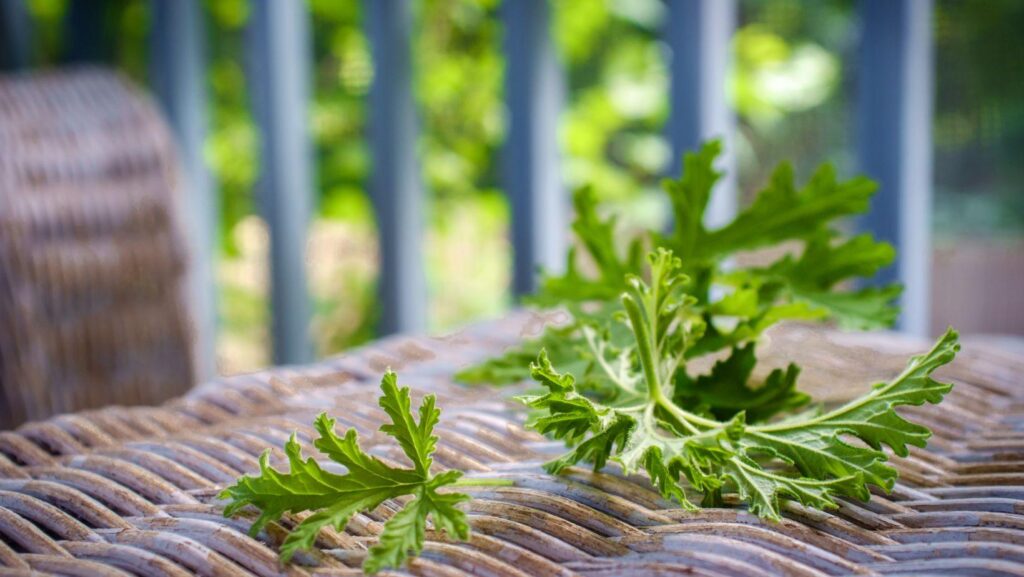
- Geranium (particularly citronella-scented varieties)
Each of these can be grown in containers or garden beds, and most prefer full sun and well-drained soil. Mint deserves a note of caution, since it spreads aggressively and is best kept in its own pot rather than planted directly in the ground.
When Professional Support Makes Sense
Even with careful planting and diligent water management, some properties face persistent mosquito pressure due to nearby wetlands, irrigation systems, or neighboring yards with standing water. In these cases, a pest control professional can assess the property, identify overlooked breeding sites, and recommend targeted treatments that complement the landscaping already in place. This is particularly useful for households dealing with mosquito-borne disease concerns, where reducing exposure matters beyond simple comfort. A professional evaluation doesn’t replace good gardening habits, but it can address gaps that plants and yard maintenance alone cannot fully close.
Final Analysis
Building a patio or garden that feels less inviting to mosquitoes takes a combination of smart plant choices and consistent yard upkeep. Herbs and ornamentals with strong natural fragrances can genuinely help reduce mosquito activity near seating areas, especially when paired with regular gutter cleaning, careful planter maintenance, and the elimination of standing water. Rather than viewing these strategies as separate tasks, homeowners get the best results by treating them as parts of the same seasonal routine. With a little planning, it’s entirely possible to create an outdoor space that looks great, smells wonderful, and keeps biting insects to a minimum.