
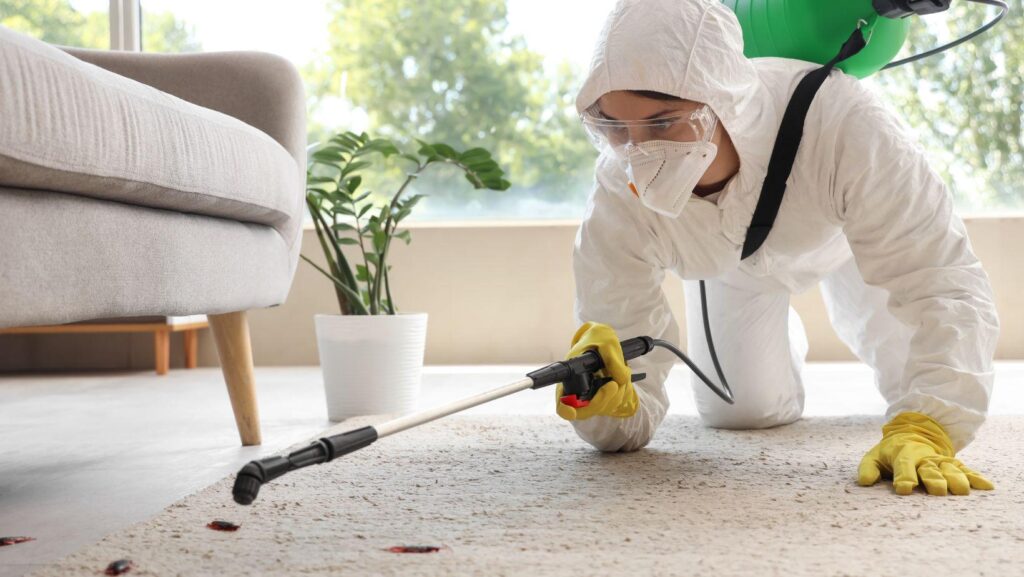
The holiday season brings full houses, packed refrigerators, and a steady stream of guests moving in and out at all hours. While families focus on menus and decorations, pests quietly take advantage of the same conditions that make the season festive: extra food, warm shelter, and constant foot traffic through doors that don’t stay closed for long. A few smart preparation steps in the weeks before guests arrive can keep ants, cockroaches, rodents, and other unwanted visitors from crashing the celebration.
Why the Holidays Create Ideal Conditions for Pests
Cooler weather already pushes many pests indoors in search of warmth, and holiday hosting adds fuel to the problem. Increased cooking leaves behind crumbs, grease, and food residue in places that don’t usually see that much activity. Package deliveries pile up in entryways, often sitting for hours before anyone notices the cardboard is a perfect hiding spot for roaches and their eggs. Decorations pulled from storage bins may carry dust, spider egg sacs, or even rodent droppings if they were kept in a garage or basement. Add overnight guests who leave snacks in bedrooms or forget to seal luggage, and the house suddenly offers pests more food sources and hiding places than at any other time of year. Understanding this pattern is the first step toward prevention, and it’s why so many pest control professionals recommend starting cleanup well before the first guest arrives.
Preparing Guest Rooms Before Anyone Arrives
Guest rooms often sit unused for months, which makes them attractive to pests looking for quiet, undisturbed corners. Before turning the space over to visitors, pull furniture away from the walls and vacuum thoroughly, paying close attention to closets, under beds, and behind dressers. Check dresser drawers and closet shelves for droppings or shed insect skins, both signs that something has been nesting there. Wipe down baseboards and window sills, since these areas collect dust and debris that can attract pests searching for shelter.
This is also the right time to think about how to keep pests away from holiday guests naturally, without relying on heavy chemical treatments in a room where people will be sleeping. Simple steps such as airing out the room, running a dehumidifier if the space feels damp, and keeping food away from the bedroom entirely go a long way toward preventing problems.
Checking Stored Linens and Bedding
Linens stored in attics, basements, or garages for most of the year can develop musty odors or even pest damage if they weren’t sealed properly. Silverfish and moths are particularly drawn to natural fibers like cotton and wool, so inspect sheets, blankets, and pillowcases for small holes or yellowish staining before placing them on guest beds. Wash everything in hot water, even items that look clean, since heat helps eliminate any eggs or larvae that may have settled into the fabric. Store linens in sealed plastic bins rather than cardboard boxes going forward, as cardboard is far more permeable and easier for insects to chew through.
Sealing Gaps Around Doors and Windows
Small gaps around doors and windows are one of the most common entry points for pests, and they become even more of a liability once guests start propping doors open while carrying in luggage or groceries. Walk the perimeter of the house and look for daylight showing through door frames, cracks in window caulking, or gaps where utility pipes enter the home. Weatherstripping and door sweeps are inexpensive fixes that also help with energy efficiency during colder months, so the benefit extends beyond pest prevention. Rodents can squeeze through openings as small as a quarter-inch, according to widely cited pest control industry guidance, which makes even minor gaps worth addressing.
Here are 5 tips to keep pests away from holiday guests naturally:
- Store all opened food in airtight containers rather than original packaging.
- Take out trash and recycling daily instead of letting it accumulate near entryways.
- Inspect artificial decorations for dust, droppings, or insect activity before displaying them.
- Keep pet food bowls empty overnight, since uneaten food attracts ants and rodents alike.
- Vacuum and wipe down entry areas regularly during the busiest hosting days.
Organizing Pantries and Kitchen Storage
Kitchens see the heaviest use during the holidays, which means pantries need extra attention. Rotate through older packages of flour, rice, and grains, since these are common targets for pantry moths and weevils. Transfer dry goods into sealed glass or plastic containers instead of leaving bags twist-tied shut, as this single change removes one of the easiest food sources pests rely on. Wipe down shelves before restocking them with holiday ingredients, and check the back corners of the pantry where spills tend to go unnoticed for weeks.
Inspecting Decorations and Reducing Entryway Clutter
Holiday decorations often spend eleven months in storage, giving pests plenty of time to move in undetected. Before bringing boxes inside, open them outdoors if possible and shake out artificial trees, wreaths, and garlands. Check for spider webs, egg sacs, or small holes that might indicate insect damage. Entryways deserve the same attention, since they tend to collect shoes, bags, and delivery boxes throughout the season. Clutter here doesn’t just look messy; it creates hiding spots that make it harder to notice pest activity until it becomes a larger issue. Keeping these areas clear also makes it easier to spot problems early, before guests are settled in for the week.
When to Bring in Professional Support
Most seasonal pest prevention can be handled through cleaning, sealing, and organizing, but persistent signs such as droppings, gnaw marks, or a musty odor in specific rooms may point to an existing infestation that needs a trained eye. A licensed pest control technician can identify entry points and nesting areas that aren’t obvious during a routine cleaning pass, particularly in older homes with more structural gaps.
Final Analysis
Hosting during the holidays doesn’t have to come with a side of unwanted pests. Taking the time to clean guest rooms, check stored linens, seal obvious entry points, organize the pantry, and inspect decorations addresses most of the conditions that draw pests indoors in the first place. These steps, paired with simple daily habits during the hosting season itself, make it far easier to keep the focus on family and good food rather than uninvited guests of a different kind.