
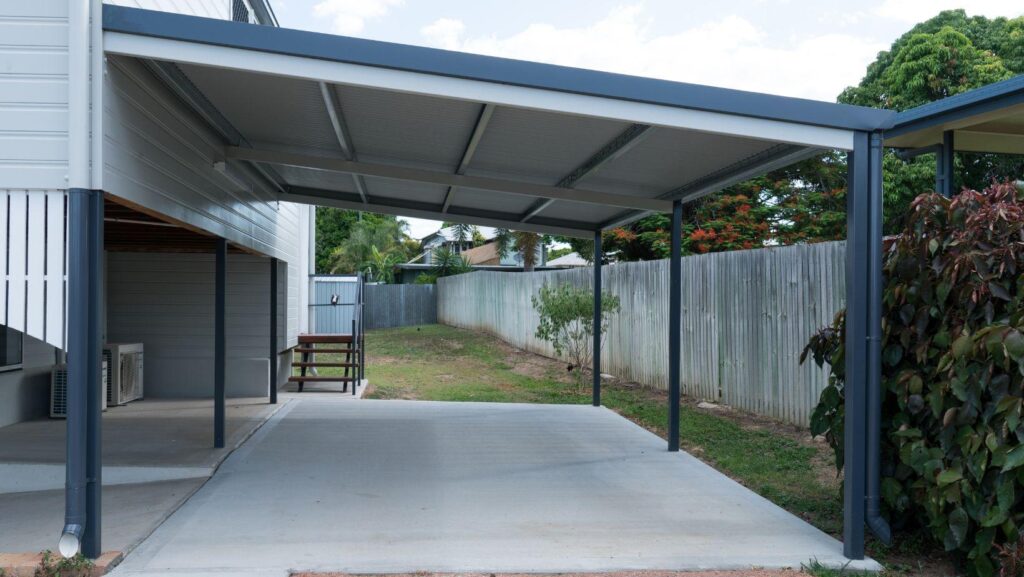
If you’re thinking about adding a carport, lean-to, or covered side return to your home, you’re probably weighing up planning rules, budget, and which materials will hold up long term. It’s a practical project, but there are a few details worth getting right before you commit.
What Permitted Development Rules Say About Carports and Lean-Tos
The good news is that most carports and lean-to structures fall under permitted development rights in England, which means you won’t always need to apply for full planning permission. That said, there are conditions you need to meet.
Your structure must not exceed 3 metres in height (or 4 metres if it has a dual-pitched roof). It also can’t take up more than half the total area of land around your original house. If you live in a listed building or a designated area such as a conservation zone, national park, or Area of Outstanding Natural Beauty, the rules are stricter and you’ll likely need to apply for permission regardless.
It’s worth checking the Planning Portal or speaking to your local planning authority before you start.
How Much Does a Carport or Lean-To Cost?
Costs vary quite a bit depending on size, materials, and whether you’re fitting it yourself or using a contractor.
As a rough guide:
- Basic timber lean-to (DIY): £500–£1,500 in materials
- Steel-framed carport (professionally installed): £2,000–£5,000
- Powder-coated aluminium structure with polycarbonate roof: £3,000–£7,000+
- Covered side return extension: £5,000–£15,000, depending on length and spec
Labour tends to make up around 40–50% of the total cost for a professionally installed structure. If you’re comfortable with basic construction, a lean-to is one of the more achievable self-build projects, particularly if you choose a modular or bolt-together system. For the roof covering, many self-builders use a polycarbonate roofing sheet, as it’s lightweight, easy to cut to size, and available in twin-wall grades that offer a degree of insulation.
Material Choices for the Roof
This is where a lot of people spend the least time thinking and then regret it. The roof takes the most abuse out of any part of the structure: UV exposure, rain, wind, and temperature swings. Getting the material right matters.
Corrugated steel or fibre cement sheets are durable but heavy, and they don’t let any light through. That’s fine for a straightforward car shelter, but if the lean-to is next to a kitchen or utility room window, a solid roof can make that space noticeably darker.
Glass looks great in the right setting, but it’s expensive, heavy, and needs proper framing. It also transfers heat in summer and cold in winter unless you’re using double-glazed units, which pushes costs up further.
Polycarbonate sits between those two options and is probably the most popular choice for carports, lean-tos, and side returns. It offers good impact resistance, blocks harmful UV rays, and still allows daylight through, which is useful when the structure sits beside a window or a door you use regularly. It’s also significantly lighter than glass, which simplifies the frame requirements.
Frame Materials Worth Comparing
Timber is the classic choice. It’s relatively easy to work with, looks good when treated or painted, and tends to sit well visually with older properties. The downside is ongoing maintenance. You’ll need to re-treat or repaint it every few years to keep rot at bay.
Aluminium is low maintenance, lightweight, and doesn’t rust. It works particularly well in a contemporary setting. Steel is stronger and better suited to larger spans, but it’s heavier and more expensive to source and work with.
For most domestic lean-tos and carports, timber or aluminium framing gives you the best balance of cost, practicality, and finish.
What It All Comes Down to
A carport or lean-to is a genuinely useful addition to a home, but the project goes more smoothly when you sort out the permitted development question early and spend some time on material choices rather than defaulting to the cheapest option. Get those two things right, and the build itself tends to follow.