
Basements, attics, and utility rooms rarely get much attention until something goes wrong. These are the spaces where homeowners store holiday decorations, seasonal clothing, tools, and equipment that might not be touched for months at a time. That same neglect makes them ideal territory for rodents, spiders, ants, and other insects looking for shelter, warmth, and an undisturbed place to nest. Fortunately, many of the conditions that invite pests into these areas can be corrected with straightforward, low-cost projects that don’t require special tools or professional training. Understanding where vulnerabilities exist and addressing them methodically can significantly reduce the likelihood of an infestation taking hold.
Sealing Gaps Around Pipes and Utility Penetrations
One of the most common entry points for pests is the small gap left around pipes, cables, and vents where they pass through exterior walls or the foundation. A mouse can squeeze through an opening not much larger than a dime, and even a modest gap around a water line or dryer vent hose is enough to let insects wander in freely. Homeowners should walk the perimeter of their basement or utility room and inspect every spot where a pipe, wire, or duct enters the structure. Expanding foam, caulk, or copper mesh (which rodents cannot chew through as easily as foam alone) can be used to close these gaps. Steel wool packed tightly into larger openings before sealing also adds an extra layer of resistance against gnawing.
Repairing Vent Screens and Attic Openings
Attics depend on ventilation to manage moisture and temperature, but the same vents that keep air moving can become open doors for wildlife and insects if their screens are torn, rusted, or missing altogether. Soffit vents, gable vents, and ridge vents should be checked at least once a year, ideally during a seasonal maintenance walkthrough. Replacing damaged mesh with a corrosion-resistant screen keeps airflow intact while blocking access. This is also a good time to look for gaps where the roofline meets the attic framing, since these transition points are notoriously easy to overlook and are a favorite entry spot for squirrels and bats. A homeowner working through this process is essentially doing the same groundwork that a technician from Pest Pros of Michigan would evaluate during an inspection, so tackling it early can prevent a call for professional service down the road.
Improving Storage Habits in Low-Traffic Spaces
Cluttered basements and attics give pests exactly what they want: quiet, undisturbed places to build nests. Cardboard boxes are particularly appealing to rodents and insects because the material is soft, absorbent, and easy to chew through. Switching to sealed plastic totes with locking lids removes much of that appeal and also protects stored items from moisture damage. It helps to keep storage containers elevated off the floor on shelving rather than stacked directly against walls, since this reduces hiding spots and makes it easier to spot droppings, chew marks, or other signs of activity during routine checks. Homeowners in Michigan often deal with humidity swings between seasons, and these fluctuations can make cardboard even more attractive to pests looking for both shelter and nesting material.
Reducing Moisture and Standing Water
Damp conditions attract a wide range of pests, from spiders and silverfish to termites and certain ant species that thrive in moist wood. Basements and crawl spaces are especially prone to condensation, minor leaks, and poor drainage, all of which create the kind of environment these pests seek out. A dehumidifier can make a meaningful difference in basements that consistently run above 50 percent relative humidity, which is generally considered the threshold where mold and pest activity both become more likely. Homeowners should also inspect for:
- Leaking or sweating pipes, especially near washing machines and water heaters
- Poor grading outside the foundation that channels water toward the house instead of away from it
- Clogged gutters or downspouts that allow water to pool near the foundation
- Damp insulation or wood, which often signals a slow, ongoing moisture problem
Addressing these issues not only discourages pests but also protects the structural integrity of the home over time.
Checking Insulation and Wall Edges for Signs of Activity
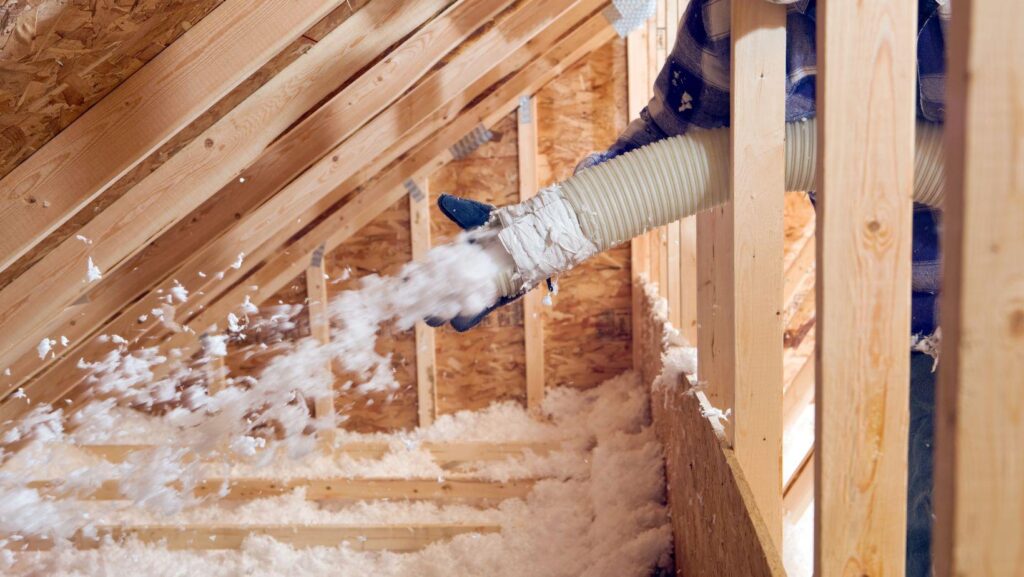
Insulation in attics and along basement wall edges can hide early signs of pest activity long before an infestation becomes obvious elsewhere in the home. Rodents often burrow into insulation to create nesting cavities, leaving behind tunnels, flattened patches, or a noticeable ammonia-like odor from urine. Spiders and insects tend to gather along the seams where insulation meets framing, particularly in areas that stay dark and undisturbed. A flashlight inspection every few months, focusing on corners, joists, and the base of exterior walls, can catch these problems while they are still manageable. Discolored or disturbed insulation is worth investigating further, even if no pests are visible at the time, since many species are more active at night or retreat quickly when light or movement disturbs them.
When DIY Work Isn’t Enough
These projects go a long way toward making a home less hospitable to pests, but they are not a guarantee against every possible infestation. Some pests, particularly termites, carpenter ants, and certain rodent populations, can establish themselves in ways that are difficult to detect or fully resolve without professional-grade tools and treatment methods. If droppings, chew marks, or unusual odors persist after sealing entry points and correcting moisture issues, it may indicate a more established problem that basic maintenance cannot fully address. In those situations, consulting a licensed pest control provider is the more reliable path forward, since they can identify the extent of an infestation and apply treatments that go beyond what over-the-counter products typically offer.
Final Analysis
Pest-proofing a basement, attic, or utility room is less about a single fix and more about consistent maintenance over time. Sealing gaps, repairing vents, organizing storage, controlling moisture, and inspecting insulation each address a different vulnerability, and together they create a home environment that is far less inviting to unwanted visitors. Homeowners who stay on top of these tasks often avoid the more serious infestations that require professional intervention. For the cases that do progress beyond what DIY work can handle, reaching out to a qualified provider ensures the underlying problem gets resolved rather than temporarily masked.