
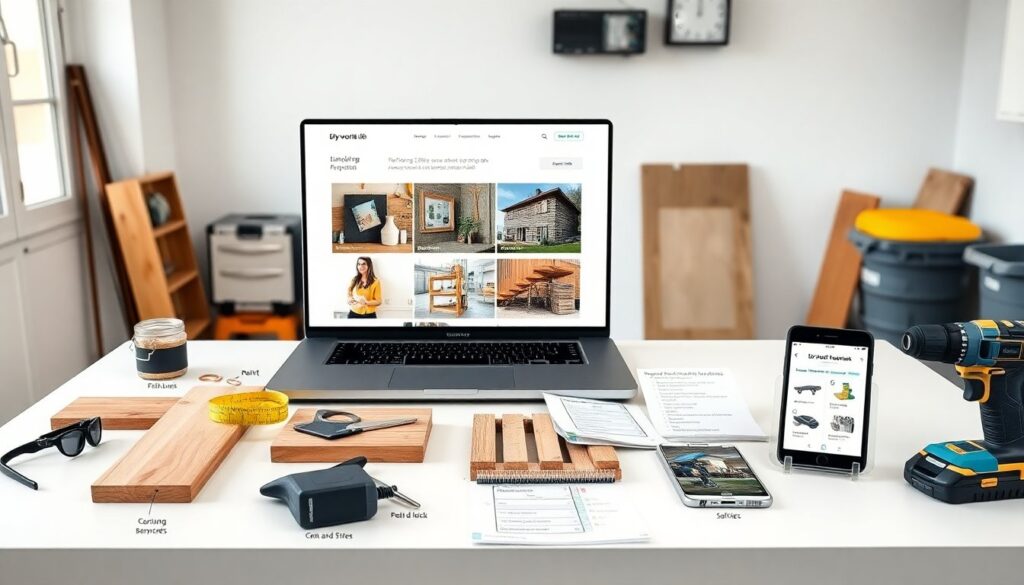
diyworld4-life.com helps English speakers learn practical DIY skills fast. The site lists clear tutorials, simple tool guides, and project plans. It shows step-by-step instructions, estimated costs, and safety notes. The site updates content regularly. Readers find projects that match skill levels. They use the content to save money and reduce waste.
Key Takeaways
- DIYWorld4-Life.com provides clear, step-by-step DIY tutorials with detailed tool guides and safety notes tailored for English speakers.
- The site offers beginner-friendly projects like floating shelves and planter boxes, complete with time, cost estimates, and materials lists to help users plan effectively.
- Regular updates and region-specific advice ensure the content stays relevant and useful for a variety of home improvement needs.
- Practical sustainable living tips on the site promote waste reduction, cost savings, and eco-friendly refurbishing techniques.
- Users can navigate easily through projects, tips, tools, and community forums to gain support, share experiences, and access printable resources.
Why DIYWorld4-Life Stands Out For English-Speaking DIYers
diyworld4-life.com focuses on clear instructions. The site uses plain language for each tutorial. It labels tools, parts, and skills for beginners. The site supplies photos and short videos. It lists time and cost for each task. The site keeps safety guidance front and center. Readers report faster learning and fewer mistakes. The site curates projects by home area and season. It offers short checklists that readers print or save. The site links to community posts and expert tips. It supports English speakers with region-specific advice. It updates content to reflect new tool models and materials.
Top 5 Beginner Projects To Start This Weekend
diyworld4-life.com recommends five starter projects that deliver quick wins. The list includes a floating shelf, a simple planter box, a peel-and-stick backsplash, a touch-up paint patch, and a basic pallet coffee table. Each project uses common tools and easy techniques. Each project aims to build confidence in measuring, cutting, fastening, and finishing. The site organizes projects by time and cost so readers pick what fits their weekend. The site suggests safety gear and shows common mistakes to avoid. The content helps readers plan a single-day finish or a two-day build.
Materials, Time Estimates, And Cost Breakdown For Each Project
Floating shelf: The site lists a plank, brackets, screws, and anchors. It lists time as two hours. It lists cost as $25–$60. Planter box: The site lists cedar boards, screws, and liner. It lists time as three hours. It lists cost as $20–$45. Peel-and-stick backsplash: The site lists adhesive tiles, a utility knife, and a straightedge. It lists time as two to four hours. It lists cost as $30–$120. Touch-up paint patch: The site lists matching paint, sandpaper, and a brush. It lists time as one hour. It lists cost as $5–$20. Pallet coffee table: The site lists pallets, sandpaper, nails, and sealant. It lists time as four to six hours. It lists cost as $15–$80. Each entry shows step counts and tools. Each entry shows disposal tips and material substitutions. The site shows links to buy or source reclaimed materials.
Practical Sustainable Living Tips Featured On The Site
diyworld4-life.com posts daily tips that cut waste and save money. The site shows how to upcycle furniture with simple finishes. The site shows how to turn glass jars into storage and lighting. The site shows how to repair small leaks and save water. The site shows how to compost small kitchens with a basic bin. The site lists low-cost insulation fixes and draft seals. The site explains how to choose long-life materials and how to reduce plastic. The site gives clear steps to test used tools for safety. The site links to local reuse centers and thrift options. The site tracks estimated savings for each tip.
How To Use DIYWorld4-Life: Navigation, Tutorials, And Community Resources
Visitors open diyworld4-life.com and find a simple menu. They select Projects, Tips, Tools, or Community. They filter projects by time, cost, or skill. They open a tutorial and see a parts list and steps. Each step shows a photo or short clip. They read comments and troubleshooting notes from other users. They join forums to ask questions and share photos. They save projects to a personal list. They sign up for a weekly email that highlights new projects. The site offers printable checklists and shopping lists. The site links to verified suppliers and partner workshops.