
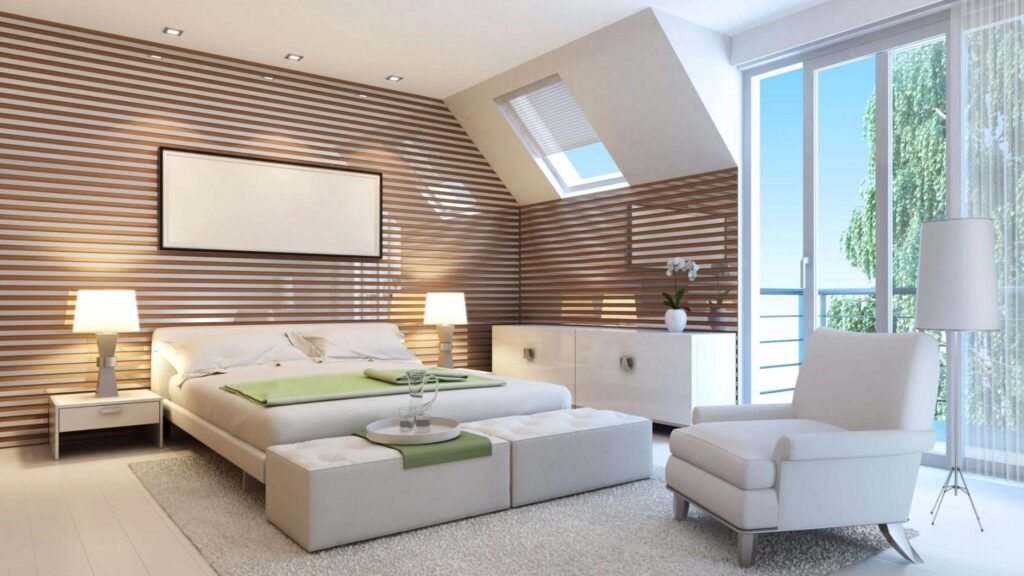
Furnishing your first home is one of the more enjoyable parts of moving, but it can also become expensive quite quickly. A bed, mattress, wardrobe and chest of drawers may all seem like obvious purchases until you start adding up the cost and realise how much floor space they'll occupy.
The bedroom is a good place to be selective. You'll use the main furniture every day, so it's worth choosing pieces that are well made and appropriate for the space rather than concentrating on filling the room immediately.
If you're moving into your first home in 2027, this checklist will help you decide what to buy, what to measure and where it's worth making a longer-term investment.
1. Measure the Bedroom Before Choosing a Bed
Start by drawing a simple floor plan that includes the position of the door, windows, radiator and existing sockets. You don't need professional software to do this; a sketch with accurate measurements is usually enough to establish where the furniture can go.
The bed is likely to be the largest item, so measure the available space before deciding which size to buy. A standard UK double mattress measures 135 x 190 cm, while a king measures 150 x 200 cm. Remember that the external frame dimensions can be larger than the mattress, particularly when there's a substantial headboard.
Try to leave enough room to walk comfortably around the bed and open nearby wardrobes or drawers. It's also worth checking the width of any staircases and doorways the frame will need to pass through during delivery.
2. Choose a Bed Frame You'll Be Happy to Keep
A bed frame is worth treating as a longer-term purchase, particularly if you're buying one for the first time. While colours and decorative accessories in the home are relatively easy to change, replacing a large piece of furniture requires a bit more work.
Upholstered designs can give a bedroom a softer, more finished appearance, particularly when paired with a substantial headboard. Wooden frames offer natural texture, while metal designs can work particularly well in rooms with more traditional architectural features.
Rather than choosing a frame solely because it suits a current decorating trend, consider whether it will complement different bedding colours and furniture finishes over time. Neutral upholstery and well-proportioned designs can make future changes much easier.
3. Consider Storage Before Buying a Separate Wardrobe
One of the most useful decisions you can make when furnishing a first home is to choose furniture that provides additional storage without taking up extra floor space.
Ottoman beds are particularly practical because they use the area beneath the mattress for storing spare bedding, seasonal clothing and other belongings. Drawer-storage designs provide another option, with compartments that can be opened without lifting the mattress.
For example, Simba offers several upholstered frames with integrated storage, including the Alderley, Hampstead and Radlett designs. Its collection of bedroom beds and storage frames illustrates how practical storage can be incorporated into furniture with quite different appearances.
If your new bedroom doesn't have built-in cupboards, it's worth considering one of these designs before ordering additional freestanding cabinets. The extra capacity may mean you can choose a smaller wardrobe or avoid another piece of furniture altogether.
4. Invest in a Comfortable Mattress
A new home doesn't necessarily mean you need a new mattress, particularly if your current one remains supportive and comfortable. However, if you're replacing an old mattress or moving into an unfurnished property, this is one purchase that deserves careful consideration.
Look at how the mattress is constructed and whether it suits your preferred sleeping position. Hybrid mattresses are a useful option for people who want cushioning alongside responsive spring support, particularly if they're sharing a bed or frequently change position.
When purchasing a mattress and frame together, check that the dimensions match and that the base meets the mattress manufacturer's requirements. This is especially important if you're choosing a slatted frame or a bed with a lifting storage mechanism.
5. Buy a Wardrobe That Reflects How You Dress
Before choosing a wardrobe, take a look at how your clothing is currently organised. Someone who owns lots of coats, dresses and shirts will probably benefit from more hanging space, while someone who mainly wears folded knitwear and casual clothes may prefer a greater number of shelves.
The internal arrangement matters just as much as the external dimensions. A wardrobe with plenty of space can still feel awkward to use if its shelves are too deep or the hanging rail doesn't accommodate longer garments.
In smaller bedrooms, sliding doors are particularly convenient because they don't require additional clearance when opened. Taller wardrobes can also help make use of vertical space, provided they fit comfortably beneath the ceiling and can be secured appropriately.
6. Add Bedside Tables and Everyday Storage
Once the bed and wardrobe are in position, it's easier to decide how much space remains for bedside furniture. A pair of chic but practical bedside tables – like those offered at Simba – may work better than larger cabinets, particularly in a bedroom where the bed takes up a substantial amount of the available width.
Choose tables that can accommodate the items you use regularly, such as a lamp, phone charger, book and glass of water. Models with drawers are useful for keeping smaller belongings out of sight, while open shelves can provide accessible storage without making the furniture look too substantial.
A chest of drawers is another practical purchase, although we'd recommend waiting until you've organised the wardrobe and any under-bed storage. You may discover that you need fewer drawers than expected, particularly if the bed provides additional capacity.
7. Get the Lighting Right Before Decorating
Lighting can change how a bedroom feels without requiring much additional furniture. Overhead lighting is useful for getting dressed and cleaning, but a bedside lamp creates a more comfortable atmosphere when you're reading or preparing to sleep.
Consider the position of existing sockets before deciding where your bedside tables will go. It's also worth checking whether a mirror or dressing area needs a separate light, particularly if the room doesn't receive much natural daylight.
Curtains or blinds should be on the shopping list as well, especially if you're moving into a property without suitable window coverings. They contribute to privacy and help control the amount of natural light entering the room.
8. Leave Decorative Purchases Until You've Settled In
There's no need to decide on every artwork, rug and decorative accessory before moving day. In fact, waiting can help you avoid spending money on items that don't suit the room once the larger furniture is in place.
After living in the bedroom for a few weeks, you'll have a clearer idea of where additional storage might be useful and whether there's enough room for a dressing table, chair or other furniture.
You may also find that the room feels better with fewer pieces than you originally planned. Leaving some space around the main furniture can make it easier to move around and prevent the bedroom from feeling overcrowded.
FAQs
What should I buy first for a new bedroom?
Start with the bed frame, mattress and essential clothing storage. These are the pieces you'll rely on immediately, while smaller furnishings and decorative accessories can be introduced once you've settled in.
Is an ottoman bed a good investment for a first home?
Yes, particularly if storage space is limited. An ottoman bed provides concealed storage beneath the mattress without requiring additional floor space, making it a practical choice for smaller bedrooms.
What size bed should I choose for my first home?
Choose the largest size that fits comfortably without restricting access to the rest of the room. Remember to account for the external frame dimensions and the clearance needed around nearby furniture.
Do I need matching bedroom furniture?
Not at all. Combining complementary finishes and materials can create a cohesive bedroom without purchasing a complete matching set. It's often easier to develop the room gradually when the main furniture has a relatively versatile design.
Is it better to buy bedroom furniture before or after moving?
It's worth arranging essential sleeping furniture before moving if the property is unfurnished. However, additional storage and decorative pieces can often wait until you've measured the room and experienced how the layout works.
Creating a Bedroom That Lasts
Your first bedroom doesn't need to be completely furnished on moving day. Prioritising a comfortable bed, appropriate storage and practical lighting will give you a strong foundation, while leaving room to make more considered purchases later.
The best choices are often those that continue to work as your needs change. Well-constructed furniture with versatile styling and useful storage can make a first home feel more comfortable now, without limiting how you use the space in the future.