
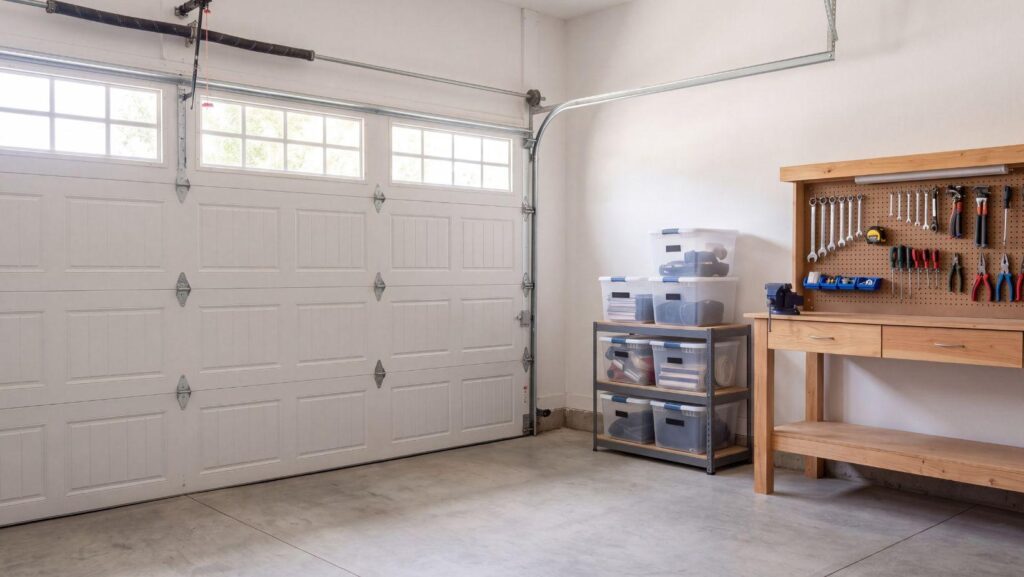
Garages and sheds tend to accumulate problems slowly. A door seal wears down a little more each winter, a box of holiday decorations sits in the same corner for years, and nobody notices the gap forming along a wall until something’s already moved in. For Greybull homeowners dealing with sharp seasonal shifts, these outbuildings often become the first place rodents, spiders, and ants settle in when temperatures change, mostly because they offer shelter without much daily disturbance. A weekend spent on a few practical projects can close off much of that opportunity before it turns into an actual infestation.
Repairing Door Seals and Weatherstripping
A garage or shed door that doesn’t seal tightly against its frame is one of the most reliable entry points for pests, and it’s also one of the easiest problems to fix. Rubber weatherstripping along the bottom of a garage door wears down over time, cracking or compressing until it no longer makes solid contact with the ground. Replacement strips are inexpensive and straightforward to install, usually requiring nothing more than a screwdriver and an afternoon.
Shed doors often have an even bigger gap problem, since many aren’t built with the same sealing standards as an attached garage. Checking for daylight visible around the door frame, especially at the corners and along the bottom edge, gives a quick sense of where rodents or insects might already be getting through. A foam or rubber seal added along these edges closes most of that gap without requiring any structural changes to the door itself.
Organizing Stored Materials to Remove Hiding Spots
Cluttered storage does more than make a garage or shed harder to navigate. Boxes stacked against walls, tools piled in corners, and bins pushed together without any space between them create exactly the kind of undisturbed, shadowed environment rodents and spiders look for. Reorganizing stored materials so that everything sits with a bit of breathing room between items removes a lot of that appeal, since pests generally avoid areas with more visibility and airflow.
Grouping similar items together and keeping a clear path along the walls also makes it much easier to spot a problem early. A homeowner who can actually see the baseboard or foundation line along a shed wall will notice droppings or a chewed corner far sooner than one who has to move three boxes just to get a look. Technicians with Greybull pest control often point to exactly this kind of visibility, or the lack of it, as the reason some infestations go unnoticed for months in an otherwise tidy-looking garage. This kind of organizing pays off doubly: it makes the space more usable and it keeps the signs of an early problem from staying hidden behind clutter.
Sealing Wall Gaps and Covering Vents
Older garages and sheds often develop small gaps where wall panels meet, where wiring or plumbing passes through, or where the structure has settled slightly over the years. These gaps rarely look significant to a homeowner walking past, but a mouse only needs an opening about the size of a dime to get through, and ants and spiders work with even less space than that. A thorough walk around the exterior, checking seams and corners closely rather than glancing from a distance, usually turns up a few spots worth sealing with caulk or expanding foam.
Vents deserve particular attention, since they’re built to allow airflow and therefore can’t simply be sealed shut. Covering vent openings with fine mesh screening keeps that airflow intact while blocking rodents and larger insects from using them as an entry point. This is a project that pairs well with a broader gap-sealing effort, since vents left uncovered can undo a lot of the benefit gained from sealing everything else. Homeowners who’ve dealt with a recurring rodent problem despite sealing obvious gaps sometimes find that an uncovered vent was the piece they missed, which is often the point where reaching out to Greybull pest control for a second look makes sense.
Elevating Boxes and Clearing Old Debris
Storing boxes directly on a concrete floor might seem harmless, but it creates two problems at once. Cardboard sitting against concrete absorbs moisture more readily, which makes it more appealing to beetles and other pests drawn to dampness, and boxes at floor level are far easier for rodents to access and use as shelter than items stored higher up. Simple wire shelving or a few wooden pallets raise stored items off the ground, cutting down on both the moisture exposure and the ease of access.
Old debris, broken equipment, scrap lumber, or forgotten project materials, tends to pile up in garages and sheds over the years, and much of it just sits there without ever getting used again. Clearing out genuinely unused items removes potential nesting material and opens up space that makes the rest of the organizing effort more effective. A few projects worth tackling together over a weekend include:
Tackling even two or three of these in a single weekend noticeably reduces how inviting a garage or shed looks to pests searching for shelter.
Checking Rarely Moved Equipment and Stored Items
Lawn equipment, holiday decorations, and tools that only come out once or twice a year deserve a closer look during any DIY project like this. These items often sit untouched for months, which makes them a common spot for nesting activity to go unnoticed. Checking inside stored lawnmowers, behind stacked patio furniture, and underneath tarps covering rarely used equipment can reveal droppings, shredded material, or an actual nest that’s been building quietly for a while.
Some of the most established infestations found in outbuildings start in exactly these overlooked spots, since a homeowner focused on visible clutter can easily miss activity tucked behind or inside equipment that hasn’t moved all season. Making a habit of checking these items during seasonal transitions, rather than only when they’re actually needed, catches problems while they’re still small enough to handle without much trouble.
When DIY Isn’t Enough
These projects go a long way toward making a garage or shed less hospitable to pests, but they won’t resolve an infestation that’s already established. Signs like persistent droppings despite cleanup, visible nesting material in insulation or stored items, or repeated sightings over several weeks usually mean the problem has moved past what sealing and organizing alone can fix. At that point, professional treatment addresses the existing population directly, while the DIY work already done helps keep the space from becoming just as vulnerable again afterward.
Final Analysis
A garage or shed doesn’t need major renovation to become significantly more pest-resistant. Repairing door seals, organizing stored materials, sealing wall gaps, covering vents, elevating boxes, and clearing out old debris each remove a specific condition that rodents, spiders, and ants rely on for shelter. Paired with regular checks of rarely moved equipment, these projects catch most problems early, and when an infestation has already taken hold, professional treatment paired with this kind of ongoing upkeep offers the best chance at keeping it from coming back.