
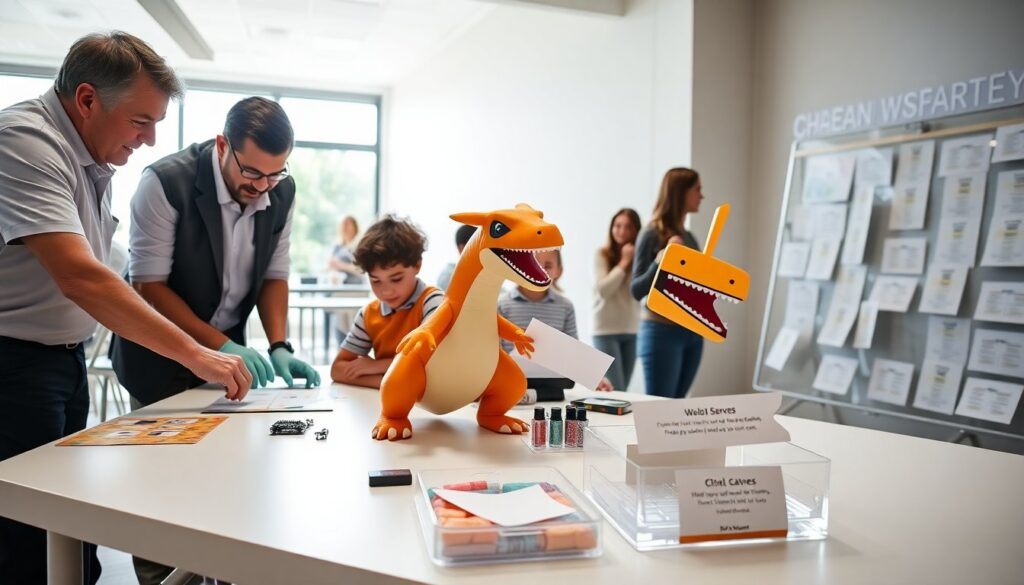
DIYWorld4LLife lists birthday projects robot charizard fortune diyworld4llife as a themed idea for parties. The guide shows simple steps, low-cost materials, and clear safety tips. It helps hosts plan a hands-on activity that guests will enjoy. The instructions focus on easy assembly, visible movement, and a small fortune reveal that fits party timing.
Key Takeaways
- Birthday projects robot Charizard fortune diyworld4llife offers a fun, hands-on party activity with easy assembly using low-cost, lightweight materials.
- Hosts should organize the event with clear timing blocks for building and testing to keep guests engaged and on schedule.
- The mechanical Charizard card includes servos and LEDs for movement and lighting effects, revealing a hidden fortune for added excitement.
- Safety is prioritized by using low-voltage components, supervising adults, and providing proper tools like gloves and safety scissors.
- Electronics tips include using micro servos, a single microcontroller, hot glue-secured connections, and safe battery management to ensure a smooth experience.
- The project can be completed under a $12 per guest budget and encourages photo opportunities and future event reproducibility.
Theme, Timing, And Materials: Plan A Memorable Charizard Robot Birthday
Party planners can use birthday projects robot charizard fortune diyworld4llife to create a strong theme. The host sets a clear schedule. The host assigns one activity block for building and one block for testing and photos. The schedule gives guests time to craft and share. The host selects lightweight materials to keep costs low and to speed assembly. Recommended materials include cardstock, foam sheets, small hobby servos, a single microcontroller, AA battery packs, double-sided tape, and clear craft glue. The host adds orange and red paint, washable markers, and small LED lights for eyes and flame effects. The host prepares printed templates for the Charizard body, wings, and tail. The host pre-cuts complex parts to avoid delays. The host provides gloves and safety scissors for younger guests. The host numbers parts and places them in trays. The host labels trays with step numbers so guests follow a linear process. The host sets a testing table where each guest can try movement and lighting. The host includes a small box for the fortune insert. The host prints short fortunes on thin paper strips. The host places a spare kit at the table for quick replacements. The host plans for 30 to 45 minutes of active building per guest, depending on age. The host plans ten minutes per device for testing and photos. The host asks one adult to supervise electronics and one adult to supervise cutting and painting. The host keeps a small fire extinguisher near the party area and follows local safety rules for batteries and soldering. The host uses low-voltage kits and avoids open flames. The host budgets under $12 per guest when materials are bought in bulk. The host tracks time and materials to stay within budget and to deliver a memorable activity.
Project A — Mechanical Charizard Card With Hidden Fortune: Step‑By‑Step
The project uses birthday projects robot charizard fortune diyworld4llife as a guide for a card that moves and reveals a small fortune. The host prints a Charizard card template on thick paper. The guest folds the card along marked lines. The guest glues foam layers to add dimension to the head and tail. The guest cuts a small slit for the fortune tab near the tail. The guest mounts a tiny servo behind the head to lift the jaw or flap the wing. The guest secures the servo with double-sided tape and a small paper bracket. The guest connects the servo to a simple microcontroller that runs a one-second open-close loop when a switch completes. The guest hides the microcontroller behind cardstock and secures wires with tape. The guest adds two small LEDs in the eyes and wires them to the same battery pack. The guest slides a fortune strip into the slit and seals the slit except for the tab. The guest tests the motion and the reveal on the testing table. The guest paints the tail tip with red paint to suggest flame and adds a small tissue-paper flame that moves with the tail for effect. The guest numbers each step and checks with a supervising adult before powering the device. The host provides spare parts and extra batteries. The host offers simple fortunes such as “Good luck today” and “Smile often.” The host recommends packing each finished card in a clear sleeve for transport. The host suggests taking a photo with a slow-motion camera if available to capture the motion. The host advises guests to remove batteries before packing for travel. The host stores completed cards on a display board for the birthday guest to view.
Electronics And Movement Tips For The Card (Servos, Switches, And Safety)
The guide highlights practical electronics tips for birthday projects robot charizard fortune diyworld4llife. The host uses 3 to 5 gram micro servos for light movement. The host selects a single microcontroller board that has one servo library and one digital input for a push switch. The host wires the servo to a 4.8V to 6V AA battery pack to keep power separate from the microcontroller when possible. The host uses a common ground if the microcontroller shares power. The host secures connections with hot glue to prevent loose wires. The host avoids soldering when children handle circuits. The host uses pre-crimped JST connectors for quick swaps. The host mounts switches where guests can press them without touching wiring. The host programs a one-button routine that opens the jaw, holds for one second, and closes. The host limits motion range to avoid pulling on cardstock. The host uses soft stops or foam cushions to prevent servo strain. The host checks servo current draw and swaps to a lower torque servo if the battery drains fast. The host places a small fuse or polyfuse inline for added protection. The host labels battery packs with on/off positions and shows guests how to remove batteries. The host keeps battery spares in a separate tray and manages waste cells for safe disposal. The host reminds guests that LEDs can get warm and that they should power devices only under supervision. The host enforces a rule: devices stay on the testing table when powered. The host cleans the workspace after the party and stores electronics away from humid or hot locations. The host records a simple checklist so they can repeat the build at future events.