
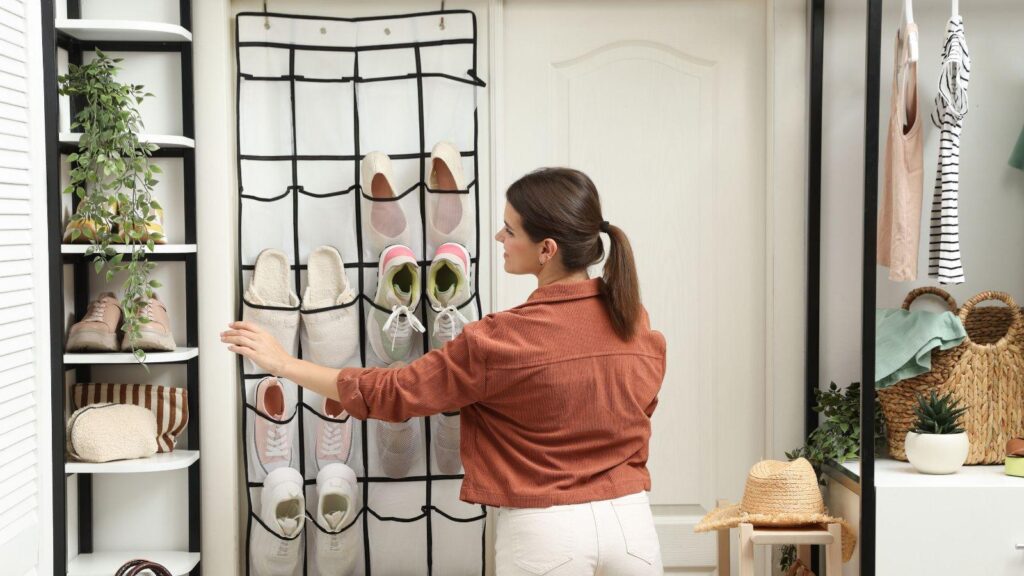
Practical guidance on organizing a home with storage that supports daily life, budget discipline, and space-saving execution.
A tidy home is not the same thing as an organized one. Many households can make a room look presentable for a weekend, then spend the next month stepping around boxes, seasonal bins, and equipment with nowhere sensible to live. That is where storage stops being a nice-to-have and becomes part of the operating plan for the home.
The useful question is not whether you can fit everything in. It is whether the system you choose lowers daily friction, protects the things worth keeping, and avoids creating another pile of forgotten stuff. For home organization, budget-friendly storage solutions, and practical space-saving planning, that distinction matters more than polished sales language.
A good system also respects how families actually live. Kids grow, hobbies change, work supplies multiply, and holidays come back around faster than expected. If the plan cannot adapt without a full reset, it will eventually be ignored.
The cost of bad storage shows up in ordinary weeks
Most storage decisions happen under pressure: a move, a remodel, a new baby, a remote-work setup, or a garage that has slowly turned into a supply closet. Pressure pushes people toward the fastest answer, not the most workable one. That shortcut can create clutter, lost items, and extra expense inside the home.
A bad fit has a pattern. It buries seasonal items, causes duplicate purchases, and turns basic cleanup into a scavenger hunt. If winter coats are mixed with craft supplies and sports gear is stacked behind holiday décor, the system is not saving space; it is wasting time.
The larger issue is trust in the setup itself. Once people decide their storage plan is unreliable, they stop using it well. They leave things on countertops, crowd closets, and tolerate clutter because the stored version feels too hard to reach. That is a practical failure, not an aesthetic one.
There is also a budget angle. Rebuying items you already own, replacing things damaged by poor conditions, or paying for rushed solutions when the house gets overwhelmed can cost more than a thoughtful setup. Good storage should reduce friction and prevent avoidable spending, not create another recurring expense without a clear benefit.
What separates a workable plan from a pretty one
Before buying bins or adding extra storage, it helps to judge the job by execution, not promise. The best setup is the one that keeps the right items protected, accessible, and easy to review over time.
That usually means looking at the home as a system. A hallway closet, garage shelf, under-bed bin, or off-site unit all solve different problems. When each place has a clear role, the whole plan becomes easier to maintain.
Start with access, not just capacity:
A storage plan fails quickly when the most-used items are the hardest to reach. The priority should be how often you need something, how long it can sit untouched, and who must be able to get to it. Things used weekly need different treatment than things touched twice a year.
Think in layers: daily use, seasonal use, and long-term hold. That simple sorting prevents overbuying containers and keeps important items from getting trapped behind infrequently used boxes. It also reduces the waste that happens when people store what they cannot later identify or retrieve.
For a household, this often means keeping the most active items closest to the door, floor, or primary closet, while putting backup supplies higher up or farther away. The less a person has to move to access something, the more likely the system will stay in place.
Fit the environment to the item:
Not everything belongs in the same conditions. Paper records, fabric, photos, electronics, and wood furniture all react differently to heat, moisture, and dust. That is where a polished description can hide a real operational difference.
If the item has memory, finish, adhesive, fabric, battery, or paperwork, treat climate control as more than a luxury. It can help guard against warped materials, mildew, faded labels, and deterioration that only shows up after damage is already done.
This is especially relevant for families storing keepsakes, holiday décor, baby items, tools with batteries, or furniture that may be used again later. A little protection up front can preserve value and prevent the disappointment of opening a box months later to find something has been damaged beyond simple repair.
- Use sealed, labeled containers for absorbent or fragile items.
- Keep paperwork and media off the floor and away from temperature swings.
- Choose shelving or pallets when dust, heavy traffic, or moisture is part of the setup.
The blind spot is planning for the move-in, not the handoff:
A common blind spot is assuming the hard part ends when the items are dropped off. In practice, the handoff is where systems break. Boxes arrive with vague labels, no inventory, and no plan for what gets retrieved first. That creates drag later, especially when someone else in the household needs to find something quickly.
Another mistake is treating the cheapest option as the whole answer. Lower monthly cost can be offset by poor access, extra handling, replacement purchases, or avoidable damage. A cheaper setup that forces repeated trips or loses track of inventory is not actually budget-friendly.
A better approach is to think ahead about how often the household will need to rotate things in and out. If access is awkward, families tend to delay putting things away, which brings clutter back into the living space. Planning for retrieval is just as important as planning for storage.
A simple sequence that avoids clutter by design
The right process does not need to be elaborate. It needs to be specific enough that the household can follow it without guesswork.
The goal is not perfection. It is making sure every item has a clear home, a clear label, and a clear reason for being stored there. This is usually where buyers start looking at Las Vegas NSA Storage climate regulation more carefully in real-world conditions.
- Sort by use, not by room. Pull items into groups based on how often they are needed, whether they are seasonal, and whether they require protection from moisture or temperature shifts.
- Label for retrieval, not for pride. A good label tells you what is inside, who uses it, and when it is likely to come back out. If a label only makes sense to the person who packed it, it is not complete.
- Build a check-in habit. Every few months, confirm that the stored items still deserve the space they occupy. Remove duplicates, repair what can be fixed, and let go of items that are only taking up room because they were expensive once.
- Package by category and weight. Keep heavy items in smaller containers, group similar materials together, and avoid mixing delicate things with awkward tools or sharp edges that can cause damage during handling.
- Create a quick inventory list. A note on paper or in a phone app is enough if it can be updated easily. The point is to know what is stored, where it lives, and what should be retrieved first if the household needs it.
Space-saving works best when it behaves like a system
People often talk about saving space as if the main goal is compression. That is only partly true. The more reliable goal is stability: a home layout that can absorb real life without forcing constant reshuffling. When a storage plan supports routines instead of interrupting them, the whole household feels less brittle.
That is why the best solutions usually look plain. They are not dramatic. They are repeatable. They make it easier to keep emergency items, holiday supplies, tools, or overflow household goods in order without turning every closet into a compromise.
The deeper win is that the home becomes easier to maintain with ordinary effort. When storage is predictable, cleaning takes less time, family members make fewer assumptions, and clutter has fewer places to spread. Over time, that consistency matters more than a one-time makeover.
It also changes decision-making. Once people know what belongs where, they are less likely to buy duplicates, less likely to hold on to items without a purpose, and more likely to use the space they already have with intention.
A better system is the one you can actually keep using
Home organization is not won by buying more containers or making a room look finished for a day. It is won by creating a setup that can survive busy weeks, changing seasons, and the usual family habit of putting things down wherever there is open space.
If a storage choice reduces clutter, protects the items that matter, and keeps retrieval simple, it is doing its job. If it only pushes the mess out of sight, the problem returns later with interest. Practical planning is less glamorous than a neat photo, but it is what keeps a home functional over time.
The most useful setups are the ones people keep using without thinking about them too hard. That is the standard worth aiming for: clear, affordable, and dependable enough to support everyday life.