
Printing custom designs on garments has become a cornerstone of modern creative industries. The advancement in technology has shifted traditional methods into highly efficient and versatile solutions, allowing businesses and hobbyists to produce detailed, durable, and visually appealing apparel. With these innovations, even small studios can compete with large-scale manufacturers while maintaining flexibility in design and production.
The Evolution of Printing Technology
Printing methods have undergone significant transformations over the last few decades. Traditional screen printing has gradually been supplemented or replaced by digital technologies, enabling more precise color reproduction, faster turnaround, and less manual labor. These innovations have allowed designers to explore complex patterns and textures, elevating the quality of custom apparel. Designers can also use a bubble letter generator to quickly create bold, eye-catching typography for T-shirts, hoodies, posters, and other personalized products before sending their artwork for print.
Understanding Digital Printing Applications
Digital printing offers unmatched versatility, catering to different materials and design requirements. With digital printers, intricate designs and full-color gradients can be applied to fabrics that were previously challenging to work with. The method’s precision ensures that even small businesses can achieve professional results without investing in extensive equipment or high-volume production setups.
Key Considerations When Choosing Equipment
Selecting the right printing equipment requires careful analysis of the desired outcomes, including design complexity, fabric types, and production scale. Some technologies are better suited for small runs with high customization, while others excel in bulk production with consistent output. Understanding these nuances allows users to make informed choices that align with creative and business goals.
Maintenance and Longevity of Printing Devices
Maintaining printing equipment is essential to sustain consistent quality. Routine cleaning, calibration, and software updates prevent malfunctions and ensure each design transfers correctly. Neglecting these aspects can lead to reduced efficiency, increased costs, and compromised print quality over time.
Advancements in Heat Press Technology
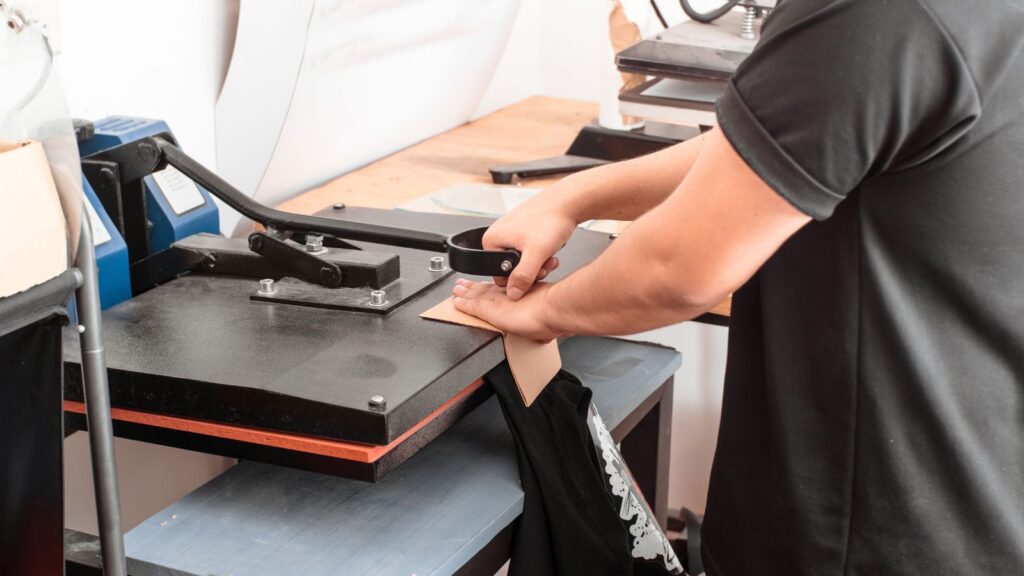
The heat press has emerged as a critical tool for custom garment creation. By applying controlled heat and pressure, it enables the transfer of designs onto fabrics with precision and durability. This method is ideal for small businesses, designers, and enthusiasts who require consistent and long-lasting results.
Benefits of Using a Heat Press
Modern heat press machines are equipped with digital controls that allow accurate temperature and timing adjustments. Ergonomic designs enhance ease of use, while automated features reduce manual effort. These machines are particularly effective when paired with materials that require specific heat applications, ensuring crisp and vibrant transfers.
Optimizing the Heat Transfer Process
Using heat transfer vinyl for shirts requires careful attention to application parameters. Correct temperature, pressure, and timing are essential to achieve proper adhesion without damaging the fabric. Understanding different vinyl types also plays a significant role in the final outcome, affecting both visual appeal and durability.
Automating Production for Efficiency
Automation in heat press technology streamlines repetitive tasks and minimizes human error. Machines designed with auto functions can handle larger production volumes efficiently, allowing designers and businesses to focus more on creativity and less on repetitive operations. This is particularly valuable when scaling production or fulfilling bulk orders.
Integrating DTF Printing in Apparel Design
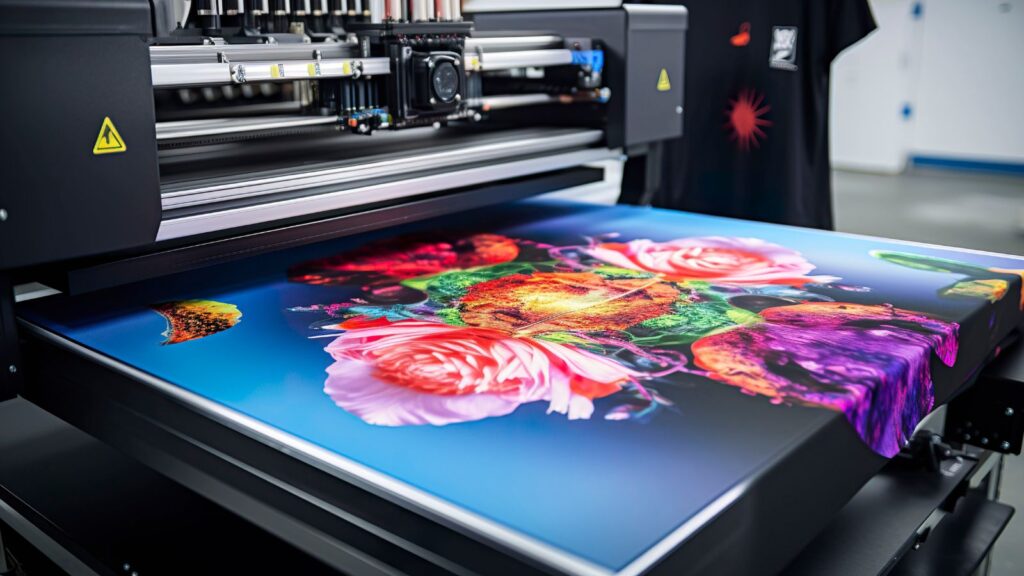
DTF printer technology has revolutionized garment customization by allowing high-resolution designs to be printed on transfer films before applying them to fabrics. This method provides remarkable flexibility, supporting detailed images, gradients, and full-color designs that adhere effectively to various materials.
Combining DTF Printer With Heat Press
Pairing a dtf printer with a heat press elevates the printing process by ensuring that intricate designs are transferred cleanly and permanently onto garments. This combination allows users to achieve professional-quality results even on small-scale production runs, balancing efficiency with aesthetic excellence.
Choosing the Right Materials
Fabric selection is as crucial as the printing method itself. Smooth-textured textiles often yield better results, while pre-treated garments can enhance adhesion and color vibrancy. Proper alignment between material properties, ink type, and heat application ensures long-lasting and visually appealing outcomes.
Enhancing Custom Designs
Advanced techniques in using heat transfer vinyl for shirts enable unique textures and layered effects. By experimenting with different vinyl types and layering methods, designers can produce apparel that stands out in the market, appealing to customers who value creativity and personalization.
Troubleshooting Common Challenges
Even with modern equipment, issues such as misalignment, uneven pressure, or ink inconsistencies can arise. Identifying and resolving these problems quickly prevents wasted materials and ensures that production remains on schedule. Regular monitoring and adjustments are key to maintaining high standards across all garments produced.
Scaling Operations for Small Businesses
For growing businesses, efficiency and consistency are critical. Combining technologies like dtf printers and heat press machines allows for higher output without compromising quality. Implementing standard procedures and automation can streamline workflows, reduce errors, and support expansion in competitive markets.
Exploring Creative Opportunities Beyond Apparel
While garment printing is the primary application, these technologies extend to home decor, promotional items, and personalized gifts. Heat transfer vinyl for shirts, dtf printing, and heat press methods can all be adapted to a variety of substrates, offering designers a broader canvas for creative exploration and new revenue streams.
Staying Updated With Industry Trends
The printing industry is dynamic, with continuous innovations aimed at improving efficiency, sustainability, and creative possibilities. Staying informed about new technologies, materials, and techniques ensures that designers and businesses remain competitive and can deliver cutting-edge products to their clients.
Conclusion
Modern garment printing offers endless possibilities for creative expression and business growth. By combining dtf printer technology with a reliable heat press and incorporating heat transfer vinyl for shirts, it is possible to achieve durable, high-quality, and visually striking results. Attention to equipment selection, material compatibility, and proper technique ensures consistency, efficiency, and long-lasting designs. Embracing these innovations allows designers and businesses to transform ideas into tangible products, enhancing both creativity and profitability in the evolving world of custom apparel.